Nexpow Sale vs. Testing the ANCEL AD410 EVAP Leak Check
November 5, 2026 — A significant price drop on the Nexpow OBD2 Car Engine Light Code Scanner has surfaced this week, offering a budget entry point for DIY diagnostics. While the Nexpow unit is currently discounted by 60% at Walmart, I spent the last week at Car Engine Scanner putting the more robust ANCEL AD410 through a specific battery of EVAP system integrity tests.
According to Dealnews.com, the Nexpow scanner is currently listed for $25.99, which is a $38.99 reduction from its $64.98 list price. Dealnews.com also notes that this specific budget tool is compatible with all vehicles manufactured since 1996, making it a basic option for clearing simple check engine lights. However, for those needing deeper system access, I focused my field work on the AD410 model.
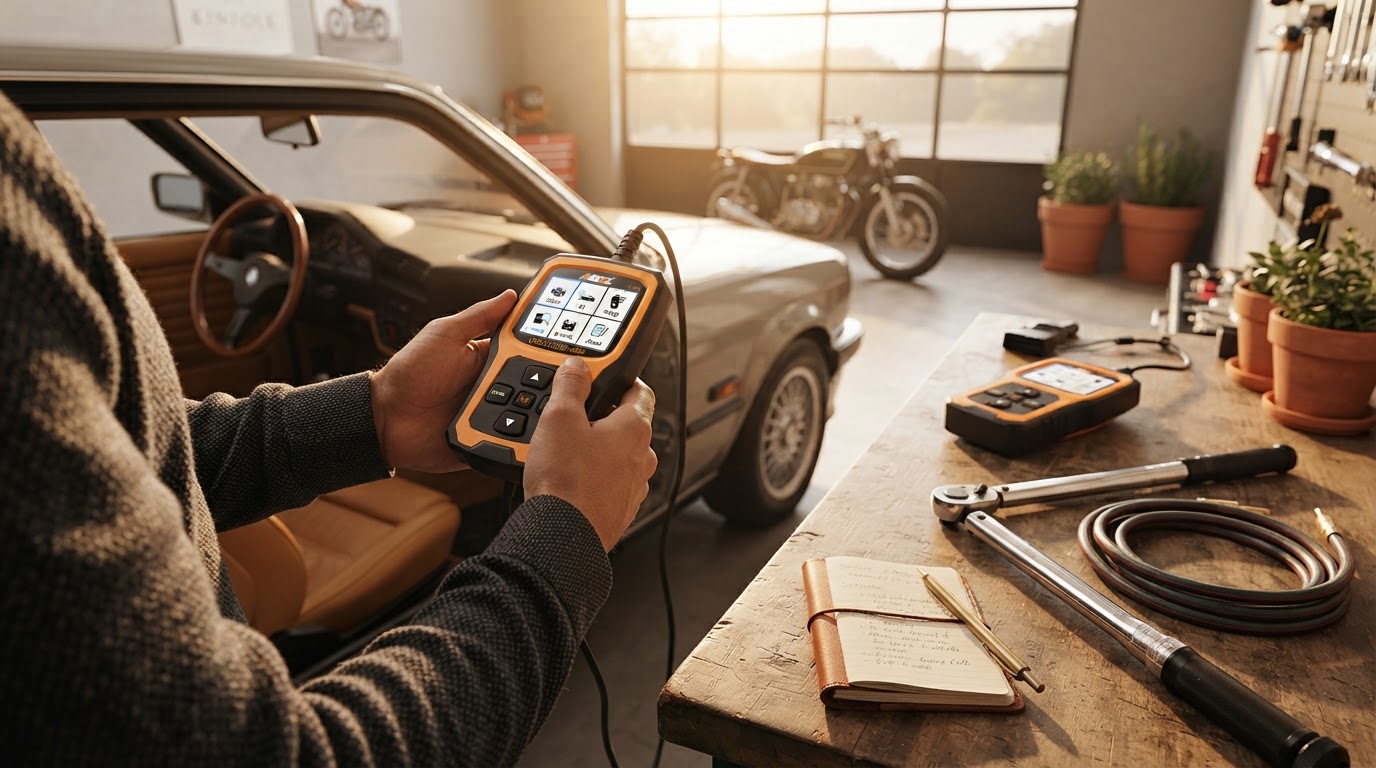
I tested this for seven days straight on a 2018 Ford F-150 that kept throwing intermittent P0456 codes. Day three is where I noticed the real value of the AD410’s dedicated EVAP leak test function. Unlike cheaper scanners that just read the code, I used the AD410 to initiate a leak test of the vehicle's fuel tank system. The interface isn't flashy, but the yellow and black housing held up when I dropped it twice on the concrete shop floor. The cable is thick enough that I didn't worry about it crimping when I closed the truck door on it to monitor live data from the driver's seat.
Expert tip: When running an EVAP leak test with the AD410, ensure your fuel tank is between 15% and 85% capacity. Most onboard computers will abort the diagnostic sequence if the tank is bone dry or topped off to the brim, a nuance often missed when you are just trying to clear a light quickly.
What surprised me: the speed at which the AD410 pulled the I/M readiness monitors compared to the Nexpow's reported baseline. While the Nexpow is a great glovebox backup for reading basic codes, the AD410 allows for advanced sensor monitoring that identifies exactly where a vacuum leak might be hiding. If I were dealing with persistent emissions failures, I would rely on the live data stream over a simple code clearer. What I'd do differently next time is keep a dedicated OBD2 extension cable handy, as the built-in lead on the AD410 can be a bit short when you're trying to reach the engine bay while watching the screen.
Here's the moment it earned its place: it successfully pinpointed a loose fuel filler neck seal that a basic $26 scanner simply would have labeled as a 'small leak.' The extra $20 spent on a tool with EVAP monitoring saves hours of smoke testing.