
The Complete Guide to Diagnosing Why Your Check Engine Light Is On
An illuminated check engine light can create immediate concern for vehicle owners. This warning indicator alerts drivers to issues detected by the vehicle on-board diagnostic system, ranging from simple gas cap loose warnings to internal engine management faults. Understanding why the light triggers is the first step toward efficient vehicle maintenance and driver safety.
Understanding the Check Engine Light
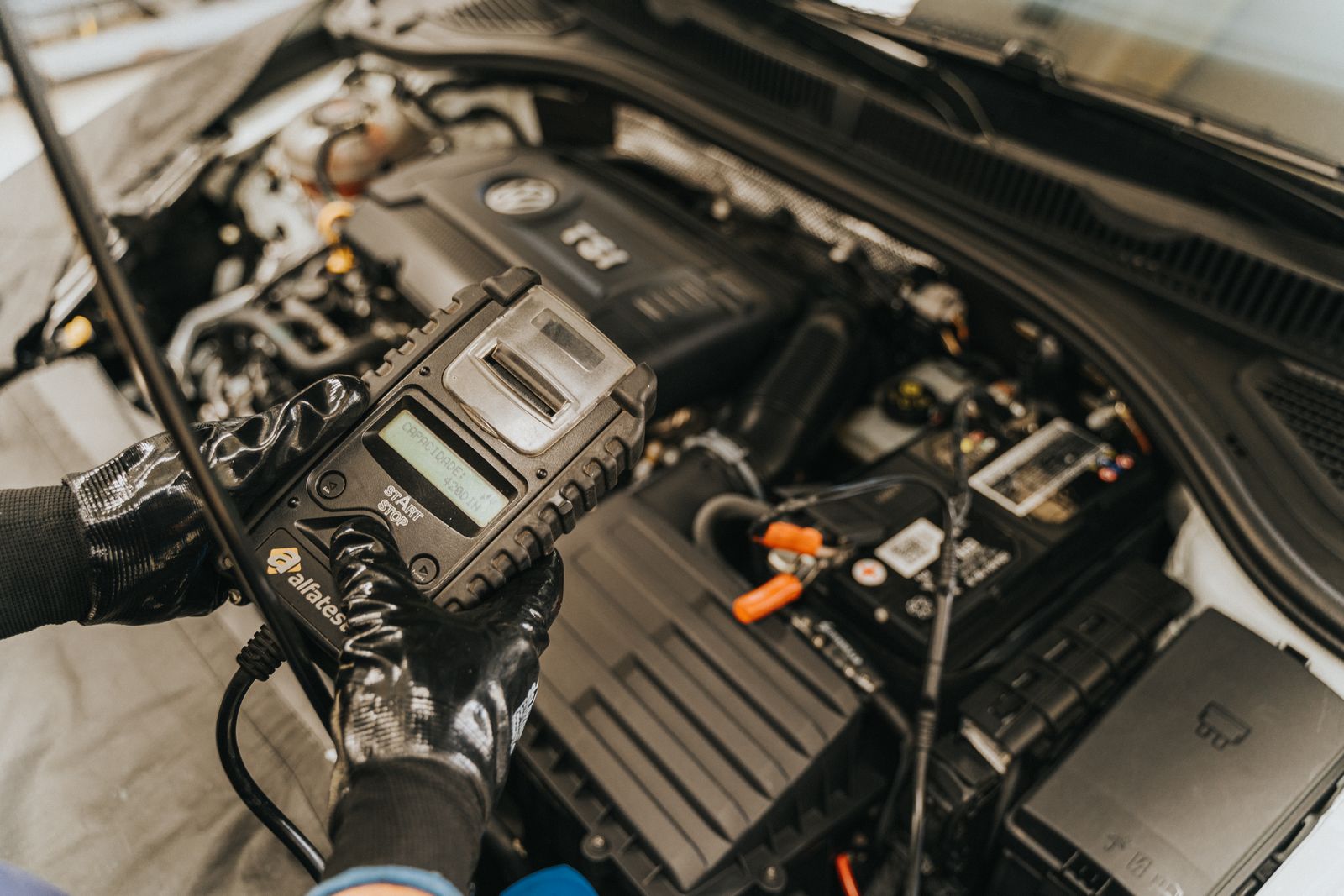
Photo by Daniel Andraski on Pexels
Modern vehicles are equipped with computerized engine control units that continually monitor sensor readings across vital drive systems. When operational parameters exceed established limits, the computer triggers a trouble code and illuminates the dashboard indicator. Identifying the exact nature of this alert requires connecting a dedicated scan tool to the vehicle diagnostic port, typically located under the dashboard.
Primary Causes of Engine Fault Indicators

Photo by Sergey Meshkov on Pexels
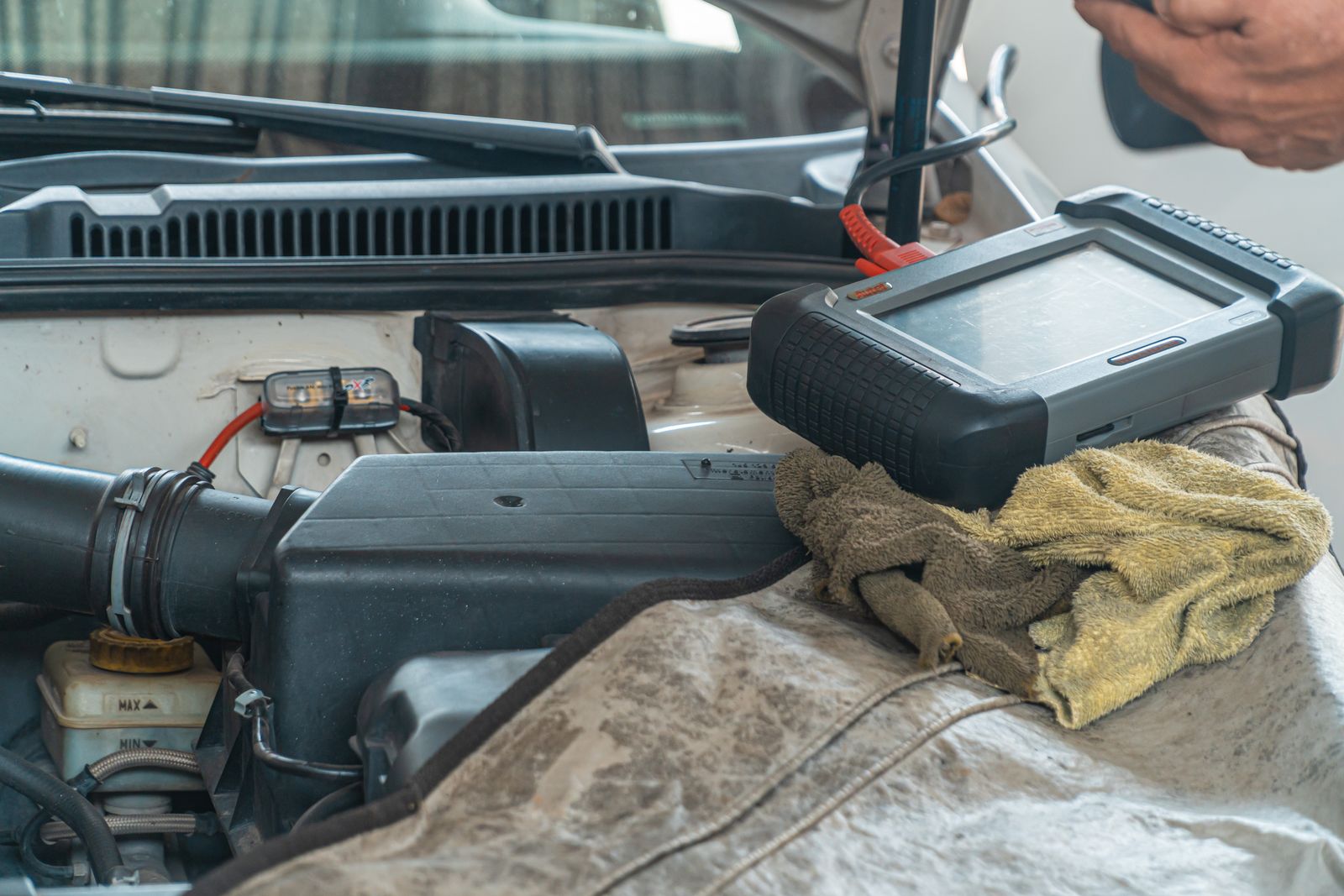
Photo by Jose Ricardo Barraza Morachis on Pexels
There are numerous reasons why an engine alert activates. Common triggers include oxygen sensor faults, mass air flow sensor irregularities, catalytic converter performance degradation, ignition coil misfires, or compromised fuel tank system seal integrity. Operating a vehicle with an active warning light without reading the diagnostic trouble code can lead to reduced fuel efficiency, increased emissions, or potential long-term component wear.
How an Automotive OBD2 Scanner Works
An Enhanced OBD II Vehicle Code Reader acts as a direct communication link between the car internal computer and the user. Devices such as the ANCEL AD410 model number AD410 provide an Auto Check Engine Light Scan Tool interface that queries stored fault codes. When connected, an Automotive OBD2 Scanner reads diagnostic trouble codes (DTCs), retrieves freeze frame data, and provides critical contextual information needed to evaluate vehicle health. A full scan tool operates on standardized protocols supported across standard passenger vehicles manufactured since 1996 and newer.
Diagnosing Fuel Tank and EVAP System Leak Issues

Photo by Sergey Meshkov on Pexels
Evaporative Emission Control (EVAP) system faults account for a substantial percentage of unexpected check engine lights. The EVAP setup prevents gasoline vapors from escaping into the atmosphere. The AD410 code scanner can be used to initiate a leak test of a vehicle's EVAP system by monitoring the integrity of the fuel tank system. This functionality allows users to verify whether a check engine illumination is caused by an EVAP system leak test monitoring trigger, such as a loose fuel filler cap or a cracked vapor line, before scheduling expensive mechanical repairs.
Steps to Resolve and Clear Diagnostic Trouble Codes
By leveraging tools with EVAP system leak test monitoring and fuel tank system integrity monitoring features, vehicle owners gain complete visibility into their automobile performance and diagnostic status.
Related in this cluster
- Top Common Reasons Your Check Engine Light Is On
- Code Readers vs Professional Mechanics: Diagnostic Options
- Eliminate Check Engine Light Stress with the ANCEL AD410
- How to Perform an EVAP System Leak Test with an OBD2 Scanner
- Car Diagnostic Scanners FAQ: Everything You Need to Know
- 5 Essential Features to Look For in a Check Engine Code Reader