
Top Common Reasons Your Check Engine Light Is On
When your vehicle dashboard suddenly displays an illuminated warning light, knowing what caused the system trigger reduces maintenance stress. The on-board computer constantly evaluates internal sensor parameters, lighting up the dash when numbers drift outside normal ranges.
Introduction to Dashboard Warnings

An active warning indicator does not always signal an immediate breakdown. However, ignoring it can reduce fuel economy or lead to secondary damage over time. To understand the broader context of vehicle fault monitoring, explore the main guide for detailed diagnostic insights.
Frequent Diagnostic Trouble Triggers
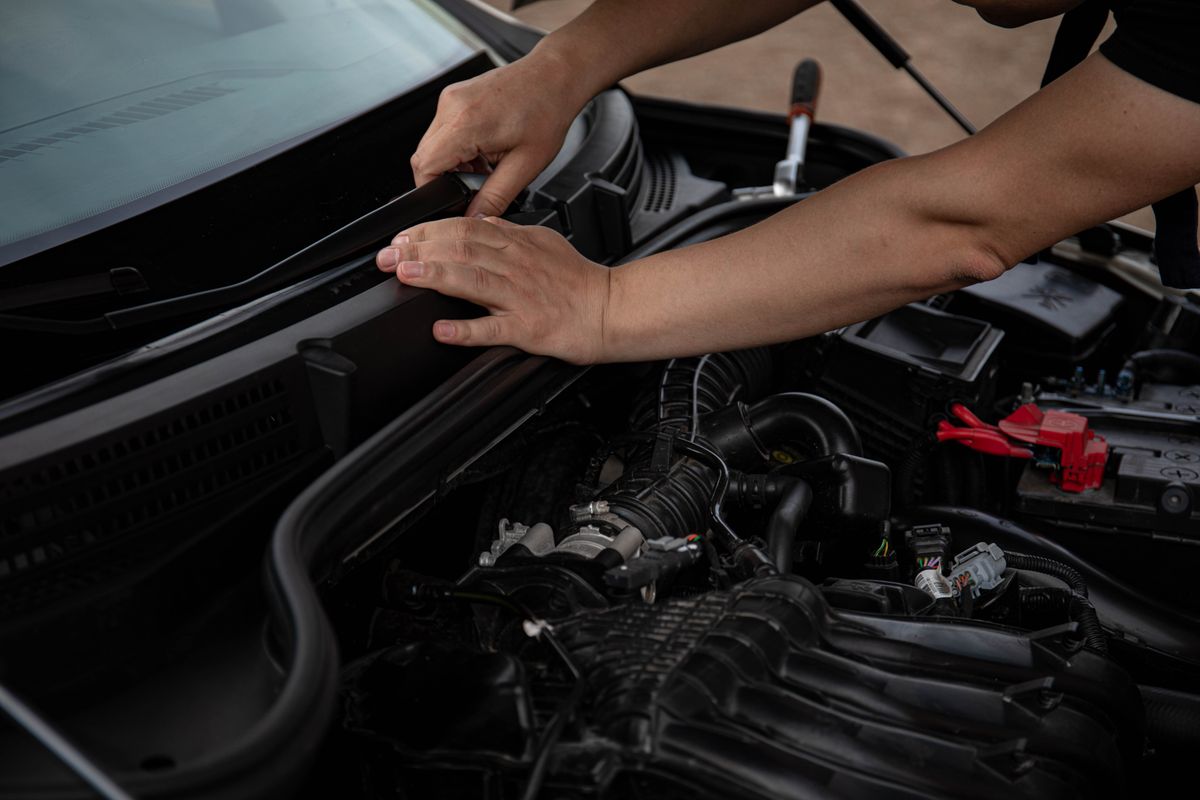
Photo by Sergey Meshkov on Pexels

Several typical issues trigger standard alerts:
- Faulty Oxygen Sensors: These measure unburned oxygen levels in the exhaust and directly impact fuel efficiency.
- Misfiring Ignition Coils or Spark Plugs: Faulty ignition timing causes uneven power output.
- Mass Air Flow Sensor Issues: Incorrect air volume measurements disturb the air-to-fuel balance.
EVAP System and Fuel Line Alerts
Another very common trigger involves the evaporative emission system. An incomplete seal in the gas cap allows fuel vapor leakage. Utilizing an Enhanced OBD II Vehicle Code Reader like the ANCEL AD410 helps quickly identify whether an issue is related to EVAP system leak test monitoring or requires deeper engine component service. By tracking fuel tank system integrity monitoring parameters, you can identify minor seal issues before replacing functional sensors unnecessarily.
Summary of Diagnostic Steps
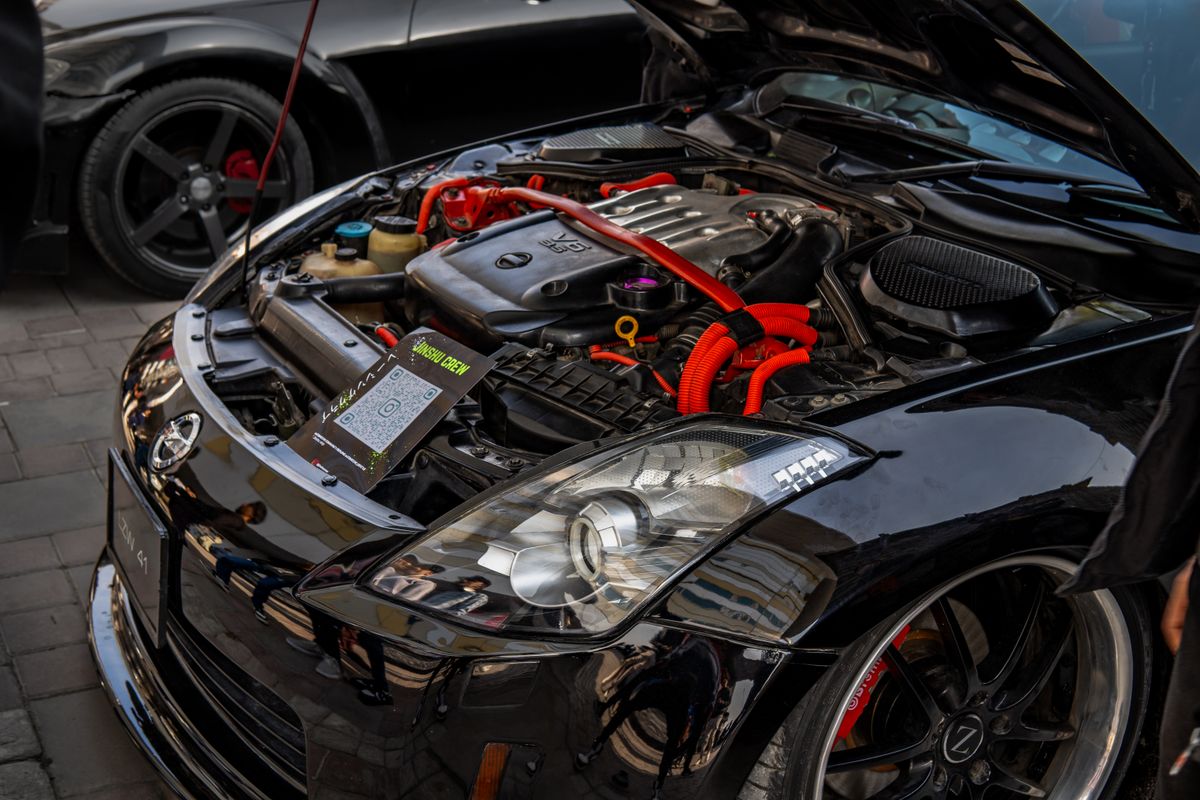
Photo by Rayan Hassan on Pexels
When a warning appears, plug an Automotive OBD2 Scanner into your vehicle port to pull the exact trouble code. Evaluating these codes early ensures efficient repairs and reliable long-term vehicle operation.
Read the full guide: The Complete Guide to Diagnosing Why Your Check Engine Light Is On