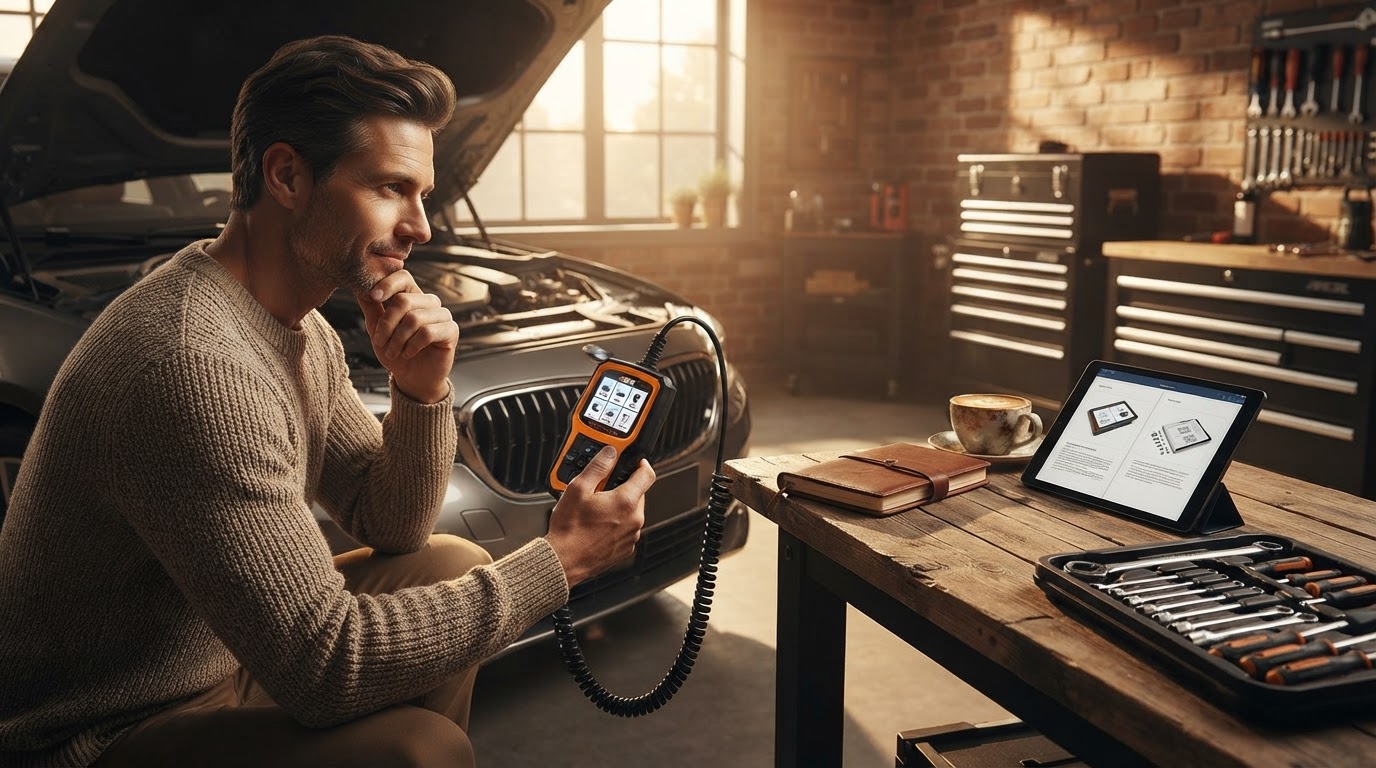
Home Diagnostics with Car Engine Scanner
September 5, 2026 — The shift toward decentralized vehicle maintenance has accelerated as tools like Car Engine Scanner empower owners to interpret complex dashboard warnings without immediate service center visits.
Modern vehicle ownership increasingly relies on the ability to decode the On-Board Diagnostics (OBD-II) system, which has been standard in vehicles since 1996. While a dashboard warning can signal hundreds of potential issues, from a loose gas cap to a failing catalytic converter, the initial step always involves data retrieval. As noted by AutoZone, when the check engine light illuminates, the primary objective is to connect a scanner to the OBD-II port to retrieve specific diagnostic trouble codes that pinpoint the source of the malfunction. Utilizing a dedicated device allows for a preliminary assessment that separates minor sensor glitches from critical mechanical failures.
The Four-Quadrant Diagnostic Framework
To effectively manage vehicle health at home, think of it as a matrix of urgency and complexity. Two axes matter here: the severity of the code (Critical vs. Non-Critical) and the feasibility of the repair (DIY-Friendly vs. Professional-Only). Once you see it this way, the Car Engine Scanner becomes the central node in a logic-based decision tree. The device operates by interfacing directly with the vehicle's Engine Control Unit (ECU), pulling real-time data streams and freeze-frame records of the moment a fault occurred. The decision rule is simple: if the scanner returns a P0300 (random misfire) or other high-priority powertrain codes, the vehicle should remain stationary. Conversely, identifying a P0442 (small EVAP leak) often indicates a task as simple as tightening a fuel cap. The hardware provides the raw telemetry, but the framework determines the next action. By assessing the "Live Data" feature, users can monitor oxygen sensor voltages and fuel trim percentages to see if the engine is running lean or rich before a permanent fault code is even triggered. This proactive monitoring transforms the tool from a reactive reset device into a preventative maintenance asset. Understanding how to check engine light at home ensures that these data points are gathered safely and accurately. Furthermore, determining if you can use Car Engine Scanner to check my engine at home is the first step in establishing a routine diagnostic habit that prevents long-term component wear.
Expert tip: When performing a scan, always record the "Freeze Frame" data provided by the Car Engine Scanner, as this captures the exact RPM, engine load, and coolant temperature at the moment the light triggered, which is vital for intermittent issues.
Effective home diagnostics require a consistent approach to data interpretation. By following a structured process, owners can ensure they are using Car Engine Scanner for in-home vehicle diagnostics correctly every time. It is also helpful to understand the limitations and safety protocols of checking your engine at home to avoid clearing codes that are necessary for emissions testing.
Sources
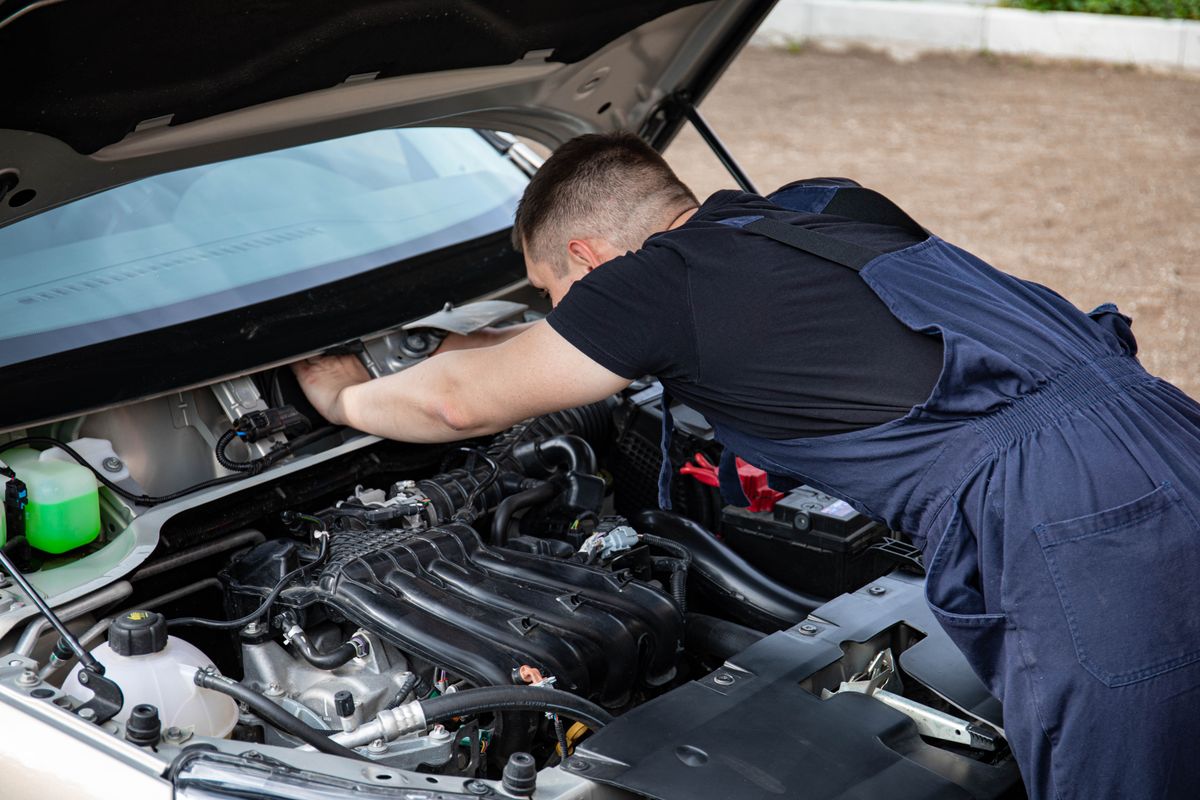
Photo by Sergey Meshkov on Pexels
- How To Reset Your Check Engine Light (7 Simple DIY Methods)
- Why Is My Check Engine Light On? - AutoZone
- Reset a Check Engine Light at Your Own Risk - Car and Driver