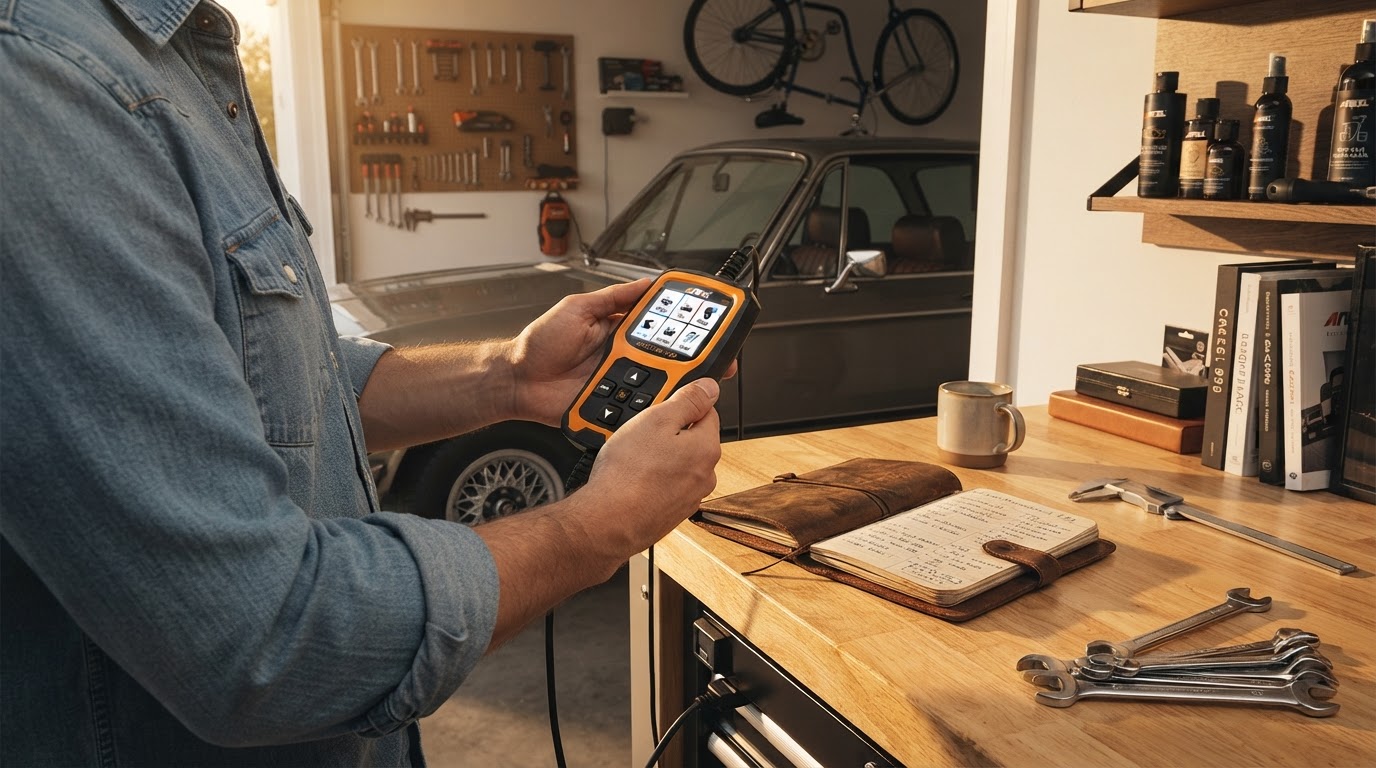
Why is my check engine light on? Car Engine Scanner check
November 12, 2026 — A check engine light typically indicates a breach in the vehicle's sealed evaporative system or a sensor reading outside of pre-programmed parameters, often resolvable via a Car Engine Scanner diagnostic.
Drivers often react with immediate anxiety when the Malfunction Indicator Light (MIL) appears, assuming a catastrophic engine failure is imminent. This response is largely fueled by a lack of access to real-time data, though most triggers are related to emissions efficiency rather than mechanical collapse. Understanding the specific diagnostic trouble code (DTC) is the only way to move past guesswork.
Can a loose gas cap really trigger the check engine light?
Yes, a loose or faulty gas cap is the most frequent cause of a check engine light because it prevents the fuel system from maintaining the necessary pressure. The conventional wisdom says that every light requires a mechanic, but WyoTech notes that a simple loose cap can lead to a drop in pressure that the car's computer interprets as a leak. Run the math: a $20 replacement cap or a simple three-click tightening maneuver often resolves codes like P0440 or P0455 without further intervention. According to iDriveCertified, the system specifically looks for these evaporative leaks to prevent fuel vapors from escaping into the atmosphere. If the seal is worn or the cap is merely sitting incorrectly, the MIL will remain illuminated until the pressure stabilizes and the drive cycle resets. Here's the part nobody talks about: even a high-quality cap can fail after a few years of thermal expansion and contraction, making it the first logical checkpoint for any driver.Is it safe to drive with a steady check engine light?
It is generally safe to drive to a service destination if the light is steady, but a flashing light indicates a severe engine misfire that requires an immediate stop. Conventional wisdom often dictates that any engine light means the car is unsafe, yet McGrath Auto clarifies that a constant light typically indicates less urgent issues like a faulty oxygen sensor or a minor emissions problem. However, ignoring a steady light is a fiscal gamble; a malfunctioning mass airflow sensor or a failing oxygen sensor will eventually degrade the catalytic converter. WyoTech points out that faulty spark plugs or ignition coils can lead to misfires that, if left unaddressed, will cause the light to transition from steady to flashing. I'll change my mind when manufacturers provide real-time sensor telemetry directly to the dashboard, but until then, using a car diagnostic tool to verify the severity is the only objective way to determine if a trip should continue.Quick answers
Q: What is the most common reason for the light? / A: A loose or faulty gas cap is the leading culprit, often triggering codes like P0440. You should ensure the cap clicks at least three times to ensure a proper seal.Q: What does a flashing check engine light mean? / A: A flashing light indicates a severe engine misfire that can cause permanent damage to the catalytic converter. This condition requires the driver to pull over immediately to prevent a fire or total engine failure.
Q: Can bad gasoline cause the light to turn on? / A: Yes, contaminated or poor-quality fuel can affect engine performance and trigger sensor alerts. WyoTech suggests running the tank nearly empty and refueling with a reputable brand or using a fuel treatment to clear impurities.
Q: How do I turn the light off after a fix? / A: After repairing the mechanical issue, you can use a how to clear car error codes procedure or perform resetting check engine lights with Car Engine Scanner to clear the MIL from the dashboard.
Learn more about Car Engine Scanner at https://carenginescanner.com.
Sources
- Top 5 reasons Your Check Engine Light is On
- What Does Check Engine Light Mean: 12 Causes & Fixes
- Why Is My Check Engine Light On?