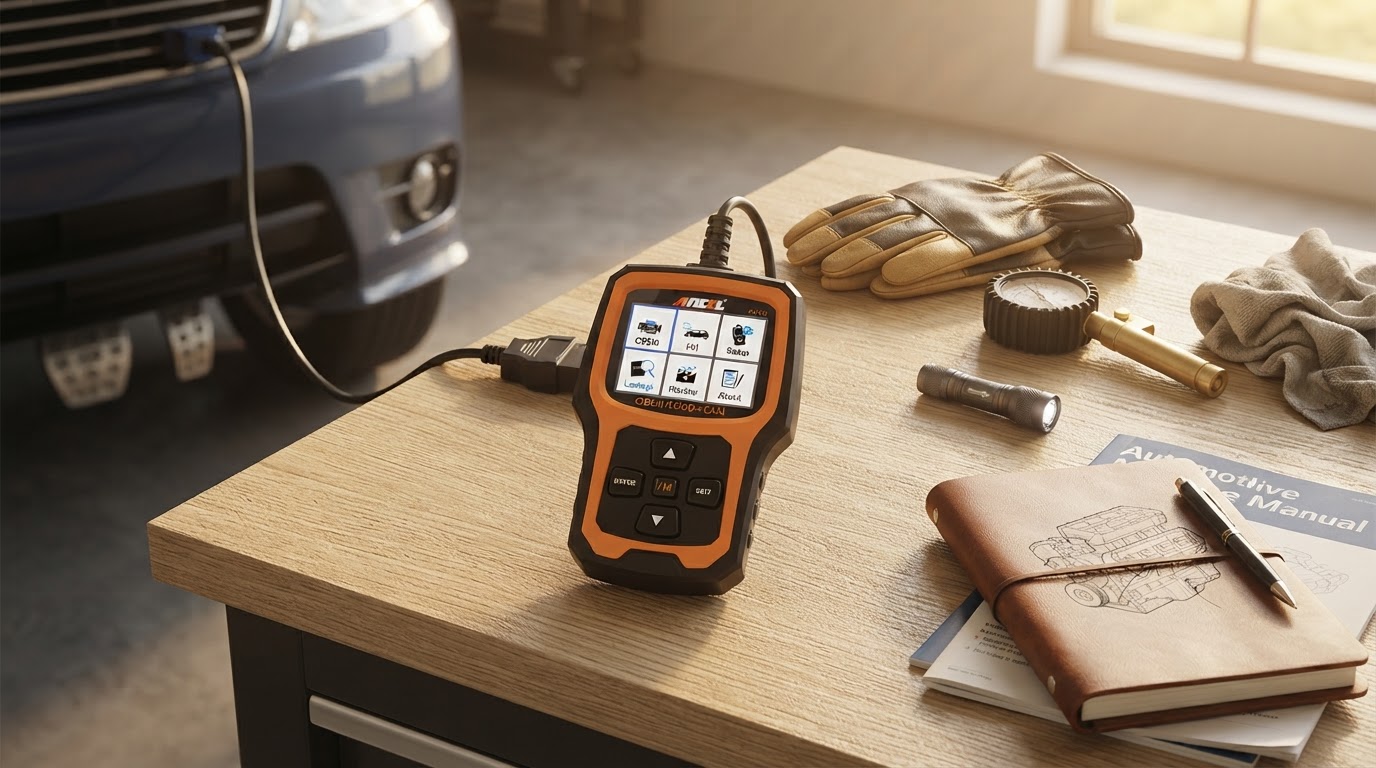
Simplifying Diagnostics with Car Engine Scanner Tools
September 8, 2026. Finding the right diagnostic tool means moving past the anxiety of a flashing dashboard light toward a clear understanding of your vehicle's health. This guide helps new car owners navigate the transition from passive driver to informed DIYer by identifying the most approachable hardware for home use.
The Confusion of the Check Engine Light
The chime of a warning alert usually happens at the worst possible time. I remember sitting in my driveway, the engine idling with a rhythmic shudder that felt like a heavy heartbeat against the steering wheel. The first thing I noticed was how helpless I felt without a way to translate that glowing amber icon into plain English. For most people, this moment leads to an immediate, expensive trip to the mechanic just to find out a gas cap wasn't tightened. According to Car and Driver, tools like the Motopower MP69033 serve as an entry point for those seeking a no-frills code reader, yet the market is flooded with options that range from basic to professional-grade. The challenge isn't just finding a tool that works; it's finding one that doesn't require a degree in mechanical engineering to interpret. When you are looking for the best car code reader for beginners, the goal is clarity. A tool that provides raw hex codes without definitions only adds another layer of mystery to an already stressful situation. Many drivers start with a cheap dongle, but quickly realize that reliability matters when you're standing in a cold garage trying to figure out if your car is safe to drive to work the next morning. It turns out that the difference between a frustrating afternoon and a quick fix often comes down to the interface and the accuracy of the data stream provided by your chosen device.
How Car Engine Scanner Streamlines DIY Repairs
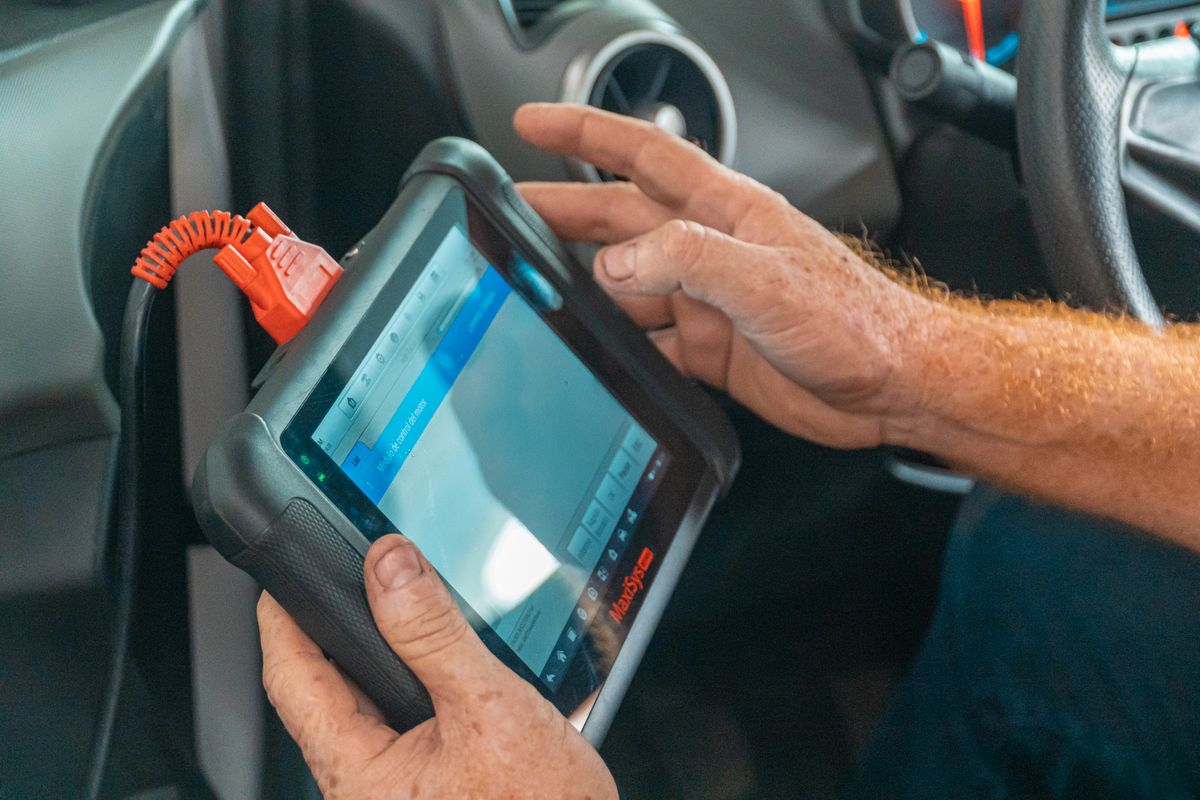
Photo by Jose Ricardo Barraza Morachis on Pexels
Transitioning into the world of home diagnostics requires a device that balances technical capability with a user-friendly experience. Car Engine Scanner focuses on removing the friction from this process by ensuring the data is presented in a way that actually makes sense to a human being. Unlike some complex systems used at the dealer level, which RoadandTrack.com notes can cost upwards of three thousand dollars, a dedicated best car code reader for beginners provides the essential information needed to clear codes and check emissions readiness. I keep coming back to the idea that a tool should empower the user, not intimidate them. By plugging into the OBD-II port—usually found under the dashboard—the scanner establishes a direct line to the vehicle’s Electronic Control Unit. This allows you to view real-time data, such as engine coolant temperature and fuel trim, which are vital for diagnosing intermittent issues. The best car code reader for beginners should offer a library of code definitions built directly into the software so you aren't constantly reaching for your phone to search for obscure sequences. When you use a Car Engine Scanner, the focus stays on the vehicle. The hardware is designed to be tactile and durable, surviving the occasional drop on a concrete floor. It bridges the gap for those who want to understand their car's internal logic without becoming a full-time technician. By using the best car code reader for beginners, you are essentially buying peace of mind, knowing that you have the same basic diagnostic starting point as the professionals.
Selecting Your First Diagnostic Tool
Choosing the right device involves more than just looking at a price tag. While some might be tempted by the lowest price, reliability and software updates are what define a tool's longevity. As discussed in recent tests by various automotive enthusiasts, a $9 scanner might give you a code, but it often lacks the stability of a $99 unit. When you are evaluating the best car code reader for beginners, consider how the tool fits into your workflow. Does it require a constant internet connection? Is the screen bright enough to read in direct sunlight? These are the practical realities of car repair. Somewhere around week two of using a dedicated scanner, you start to notice patterns in how your car performs, making the tool an educational resource as much as a repair one. To ensure you make the right choice, follow this framework:
- Verify that the scanner supports all OBD-II protocols, especially if you own a vehicle manufactured after 1996.
- Look for a device that offers free lifetime software updates to ensure compatibility with newer vehicle models.
- Prioritize a large, backlit display that can show multiple data points simultaneously for better context.
- Ensure the unit has a built-in DTC (Diagnostic Trouble Code) lookup library to save time during the diagnostic phase.
- Check for a "Plug and Play" design that draws power directly from the vehicle, eliminating the need for internal batteries.
- Confirm the presence of an I/M Readiness hotkey, which is essential for checking if your car will pass an emissions test.
Sources
Photo by Tim Samuel on Pexels
- Best OBD-II Scanners for 2026, Tested - Car and Driver
- Best OBD-II Scanners of 2026, Tested & Reviewed - RoadandTrack.com
- $9 vs $99 vs $699 OBD2 Code Readers - Which is Best? - YouTube