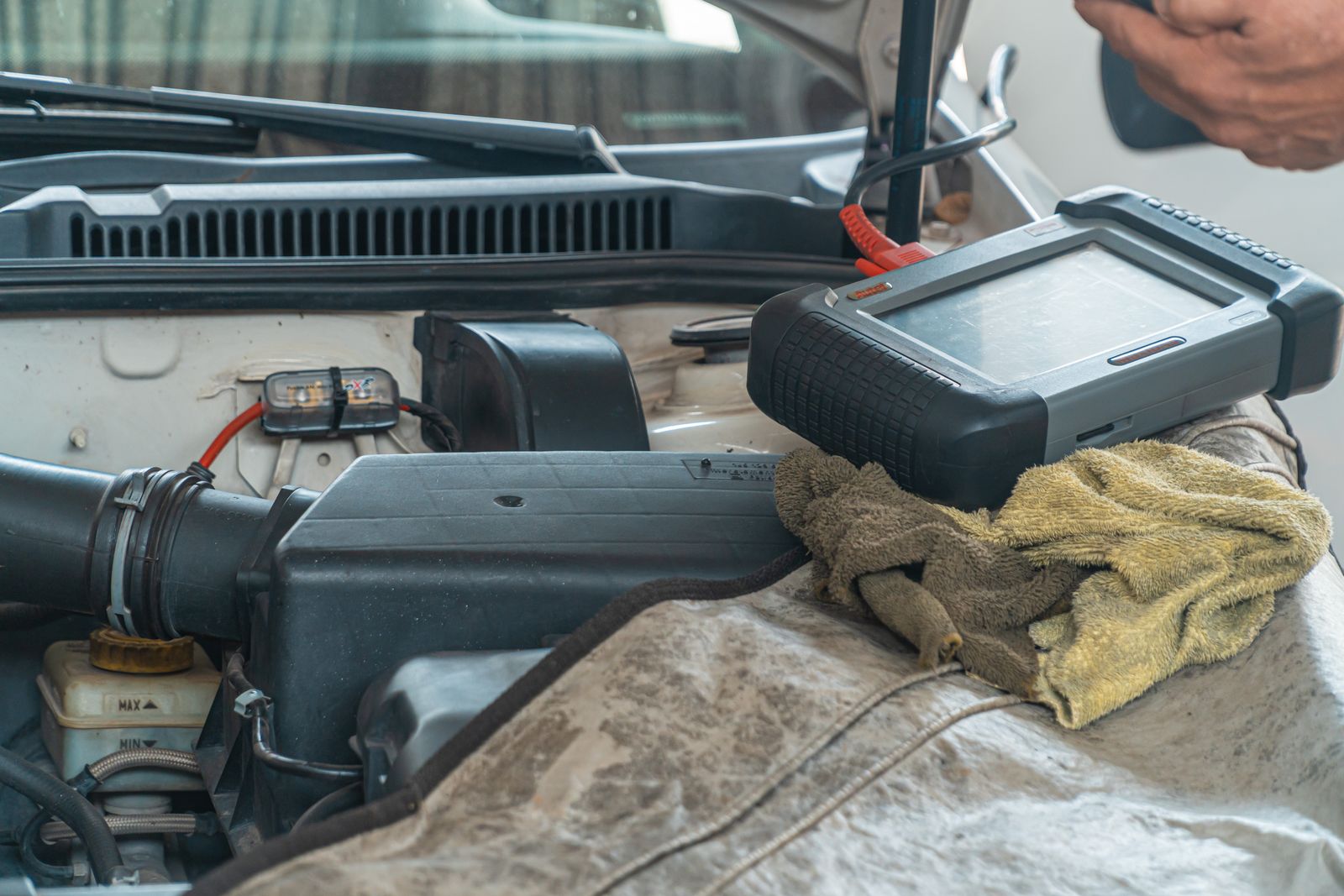
Why Is My Check Engine Light On? Causes, Diagnostics, and Solutions
Understanding the Check Engine Light
When the check engine light illuminates on your dashboard, it indicates that your vehicle's onboard computer has detected a fault within its engine, transmission, or emissions control system. Operating a vehicle built in 1996 and newer means your car relies on an OBD II diagnostic framework to track sensor outputs and subsystem health continuous monitoring. Understanding what triggers this indicator is the first critical step toward keeping your car running safely and efficiently.
Common Triggers for Engine Warning Lights
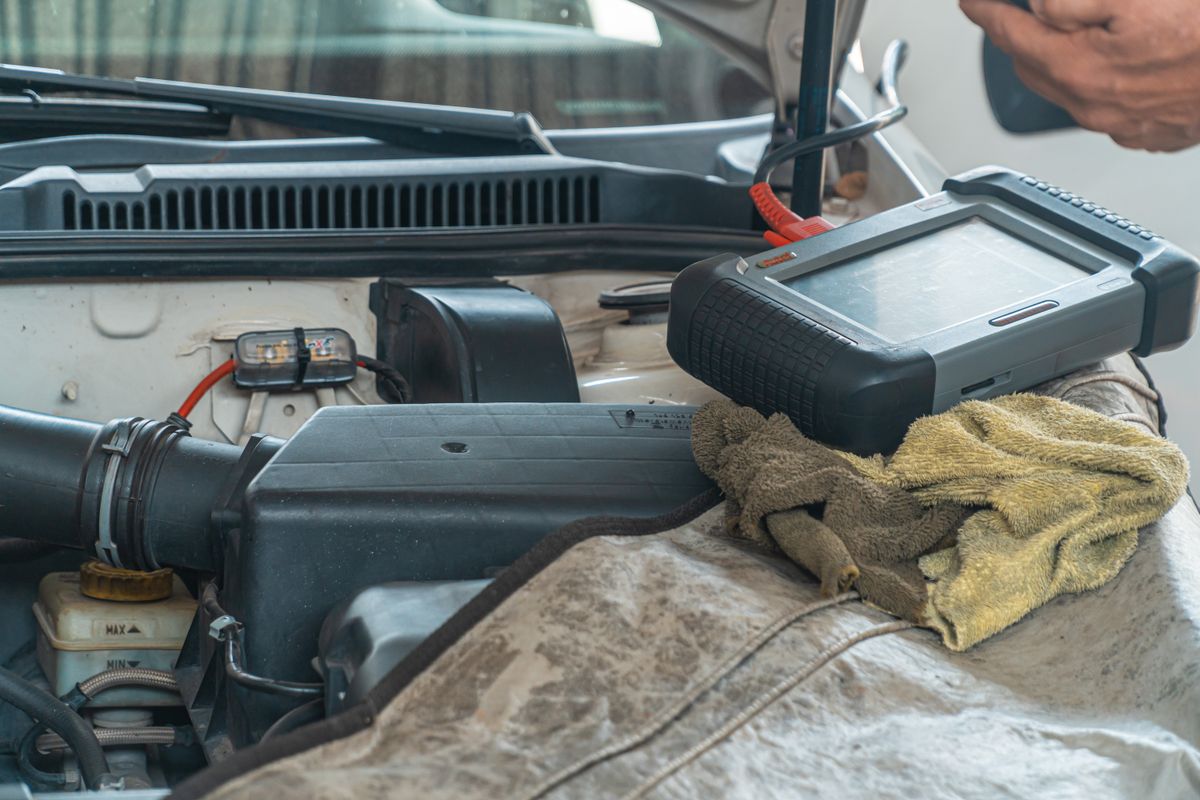
Photo by Jose Ricardo Barraza Morachis on Pexels
A check engine light can stem from minor issues like a loose fuel cap or major operational faults in the powertrain. Common culprits include malfunctioning oxygen sensors, misfiring spark plugs, failed mass air flow sensors, or breaches in the vehicle's evaporative emission control system. Ignoring these alerts can lead to reduced fuel efficiency, increased harmful emissions, or long-term component damage that requires expensive repairs later on.
EVAP System and Fuel Tank Integrity
One frequent cause of check engine illumination involves fuel tank system integrity and evaporative emissions. The EVAP system prevents gasoline vapors from escaping into the atmosphere. A breach in this closed loop, such as an open purge valve or a broken seal, prompts an immediate fault code. Utilizing an Enhanced OBD II Vehicle Code Reader allows vehicle owners to evaluate fuel tank system integrity monitoring directly and check for leak signals before paying for extensive shop diagnostics.
How Vehicle Code Readers Work
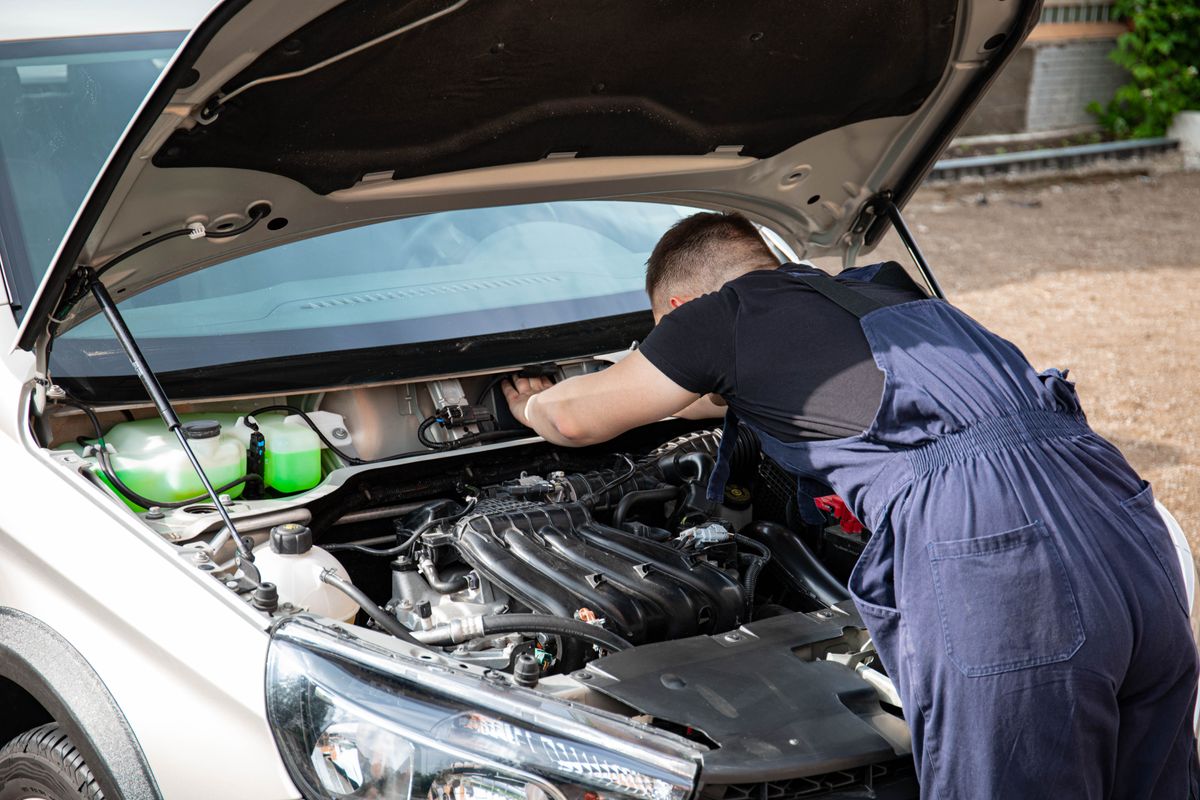
Photo by Sergey Meshkov on Pexels
Modern automobiles utilize standardized diagnostic trouble codes (DTCs). An Automotive OBD2 Scanner connects directly to the vehicle diagnostic port—standard across compliant cars since 1996 and newer—to query the computer memory. The device retrieves pending or active error codes and presents them on a display interface. Using an Auto Check Engine Light Scan Tool like the Car Engine Scanner helps identify whether the error is tied to an isolated event, an active sensor failure, or an EVAP system leak test monitoring alert.
Saving Money with DIY Diagnostics
Taking your car to a mechanic simply to figure out why the dashboard light is illuminated can cost a typical diagnostic fee range of $75 - $150 just for the initial scan. Acquiring a dedicated scan tool puts actionable diagnostic data in your hands before visiting a repair facility. By carrying out preliminary reads yourself, you avoid paying recurring scan fees and gain clear insights into what specific repairs or maintenance your vehicle actually needs.
Steps to Take When the Light Turns On
Related in this cluster
- Top Common Reasons Your Check Engine Light Turns On
- How to Read Engine Diagnostic Codes with an OBD2 Scanner
- Car Engine Scanner vs Diagnostic Shop Fees: Cost Analysis
- Frequently Asked Questions About EVAP System Leak Testing
- Loose Fuel Cap vs Critical Engine Faults: Solving EVAP Lights
- 5 Key Symptoms That Trigger Your Car Engine Warning Light
Cover photo by Jose Ricardo Barraza Morachis on Pexels.