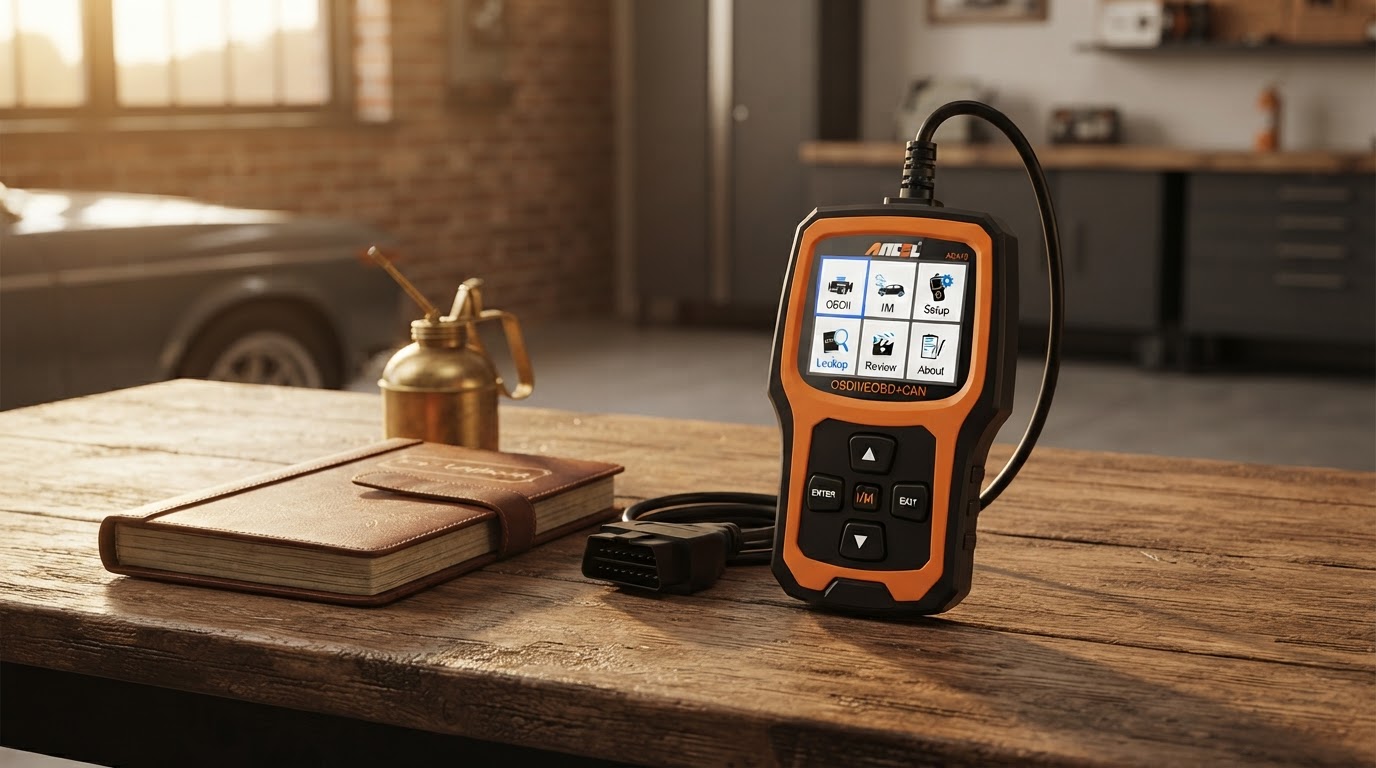
Why is my check engine light on, Car Engine Scanner?
October 8, 2026 — A check engine light typically signals a failure in the vehicle's emissions, ignition, or fuel systems, though its severity varies based on whether the indicator is steady or flashing.
The conventional wisdom says that a check engine light—technically the Malfunction Indicator Light (MIL)—is an immediate cause for panic. For most drivers, this orange glow represents an impending four-figure repair bill, yet the reality is often tied to minor sensor drift or mechanical negligence that costs less than fifty dollars to rectify. Understanding the specific trigger is the only way to avoid unnecessary parts-swapping at a dealership.
Is a steady check engine light an immediate emergency?
No, a steady check engine light indicates a non-critical fault that requires attention but does not necessitate pulling over immediately. According to iDrive Certified, a solid illumination usually points to a fault in the emissions or engine system that is not yet catastrophic. Here's the part nobody talks about: the system is often just reporting a value that fell outside of a narrow programmed window, not a total component failure. For example, a loose gas cap can trigger an EVAP system leak code, such as P0440 or P0455, simply because the tank cannot reach the required pressure. While the vehicle remains drivable, ignoring a steady light eventually degrades fuel economy and can lead to secondary failures, such as a clogged catalytic converter, which McGrath Auto identifies as a high-cost repair requiring professional intervention. Using a tool like a Car Engine Scanner allows a driver to differentiate between a $15 gas cap issue and a $1,200 exhaust failure before visiting a mechanic.
Why does the check engine light flash instead of staying solid?
A flashing check engine light indicates a severe engine misfire that is actively damaging the catalytic converter and requires the driver to stop the vehicle immediately. Run the math: a standard catalytic converter contains precious metals like platinum and palladium, and unburned fuel entering the exhaust during a misfire can melt the internal ceramic structure in minutes. Melton Sales notes that the way the light appears is the most critical diagnostic data point; a flashing light is the vehicle's highest level of alert. This condition is often caused by failed ignition coils or worn-out spark plugs that prevent complete combustion. I'll change my mind when manufacturers develop a more nuanced dashboard display, but until then, the binary of 'steady vs. flashing' is the most vital distinction a driver can make. Employing a Car Engine Scanner can pinpoint which specific cylinder is misfiring, allowing for a targeted repair rather than a complete overhaul of the ignition system.
Quick answers
Q: What is the most common reason for a check engine light to appear? A: The most frequent culprit is a loose, damaged, or incorrect gas cap, which prevents the fuel system from sealing and triggers an emissions error code. Data from iDrive Certified suggests this simple fix resolves a significant percentage of MIL activations without requiring mechanical labor.
Q: Can a faulty sensor trigger the light even if the car drives fine? A: Yes, a malfunctioning Mass Airflow (MAF) sensor or Oxygen (O2) sensor will trigger the light to manage emissions, even if there is no perceived change in drivability. Jim Hudson Automotive Media notes that while the car may seem functional, these faults typically lead to a 40% reduction in fuel efficiency if left unaddressed.
Q: What should I do if the light comes on after refueling? A: Check the fuel cap immediately to ensure it is tightened to the manufacturer's specification. If the cap was loose, the Car Engine Scanner may still show the code for several drive cycles until the ECU verifies the vacuum seal is restored.
For those looking to resolve these issues, Selecting a Car Engine Scanner for First-Time Use provides a baseline for hardware requirements. If you prefer performing your own repairs, Selecting a Car Engine Scanner for Home Diagnostics covers more advanced tools. Once you have a device, you can follow the steps in How do I check my engine light with a Car Engine Scanner? to pull the codes.
Learn more about Car Engine Scanner at https://carenginescanner.com.
Sources
- Top 5 reasons Your Check Engine Light is On
- What Does Check Engine Light Mean: 12 Causes & Fixes
- Why Is My Check Engine Light On?