
Why is my check engine light on? A Car Engine Scanner guide
August 3, 2026 — The illumination of a check engine light is typically triggered by sensors detecting a deviation in the vehicle's emissions, ignition, or fuel systems, though the specific cause can range from a simple loose cap to complex internal mechanical failure.
I remember the first thing I noticed was the amber glow reflecting off the steering column during a quiet midnight drive. It’s a sinking feeling that usually prompts a frantic search for the nearest shoulder, but understanding the common triggers can turn that anxiety into a manageable diagnostic plan. For most drivers, this light is the only communication the car offers before a minor sensor issue turns into a costly shop visit.
What are the most frequent mechanical triggers for the light?
The leading mechanical causes for a check engine light involve the vehicle's ability to manage air, fuel, and exhaust flow efficiently. According to data from AutoZone, a faulty oxygen sensor is one of the most common culprits; if left unaddressed, it can lead to a significant loss in fuel economy and eventually damage your catalytic converter. I’ve found that when the sensor fails, the engine begins burning more fuel than necessary, which often manifests as a subtle sluggishness during acceleration. Beyond sensors, the mass airflow sensor (MAF) frequently struggles with dust and debris, preventing the onboard computer from calculating the correct amount of fuel needed for combustion. It turns out that even something as small as a worn spark plug or a cracked ignition coil can cause a misfire, sending an immediate signal to the dashboard. Ensuring you have a home mechanic diagnostic checklist ready can help you narrow down these hardware failures before they escalate.
Can simple maintenance issues cause a dashboard warning?
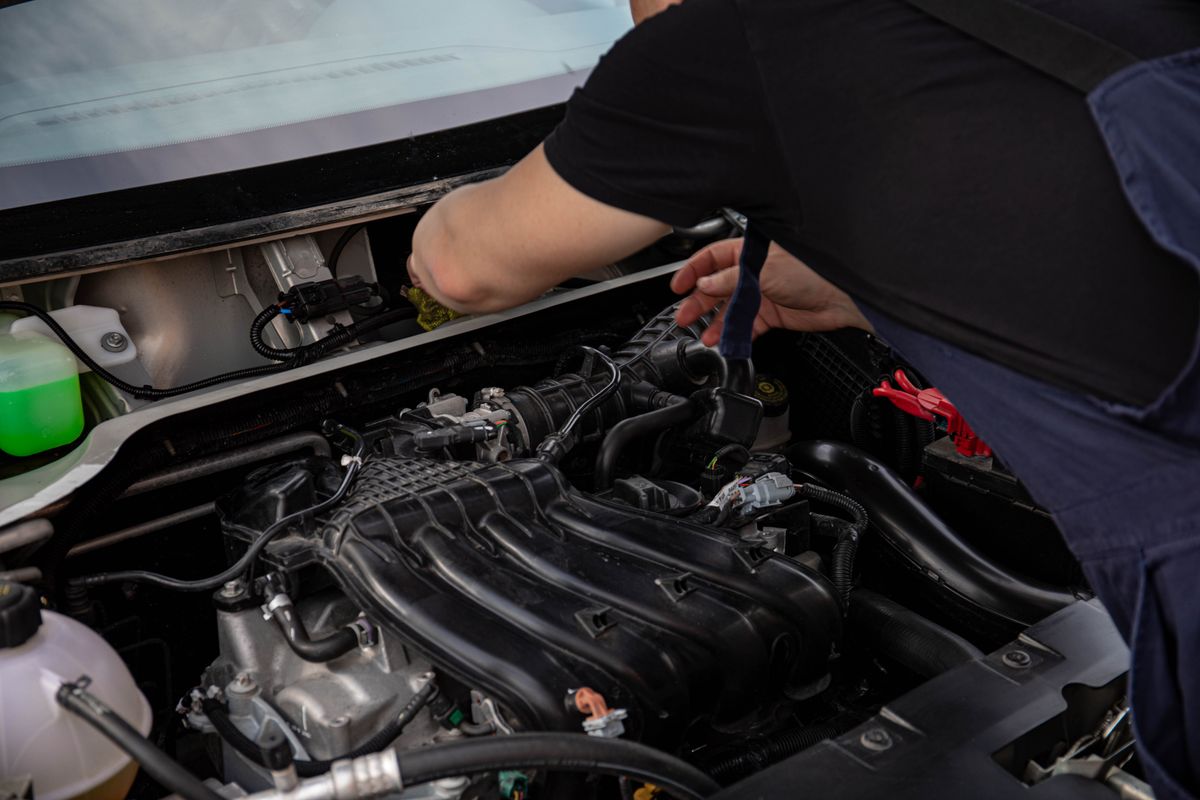
Photo by Sergey Meshkov on Pexels
Yes, many check engine light activations stem from basic maintenance oversights rather than catastrophic engine failure. A loose, damaged, or missing gas cap is a primary reason for the light because it allows fuel vapors to leak, disrupting the entire evaporative emission system. Wyotech notes that even a bad tank of gas or moisture in the fuel system can trigger a sensor alert. When I hooked up my device, I realized that a simple half-turn of the fuel cap was all that was standing between me and a clear dashboard. However, you must prioritize resetting check engine light safety to ensure you aren't just masking a recurring problem. By using Car Engine Scanner for home diagnostics, you can verify if the issue is a persistent vacuum leak or a one-time sensor glitch caused by environmental factors.
Quick answers
Q: How does a loose gas cap affect the engine light? A: A loose gas cap prevents the fuel system from maintaining the correct pressure, causing the evaporative emissions (EVAP) system to fail its self-test. This is one of the top 5 reasons for a light and can be fixed by simply tightening the cap until it clicks.
Q: What happens if I ignore an oxygen sensor code? A: Ignoring a P0130 to P0161 code for an oxygen sensor can reduce your fuel economy by up to 40% and eventually clog your catalytic converter. A replacement converter can cost over $1,000, making early sensor replacement a critical financial decision.
Q: Can spark plugs trigger a flashing check engine light? A: Yes, a flashing light typically indicates a severe engine misfire that is dumping raw fuel into the exhaust. Worn spark plugs or defective ignition coils are the most frequent causes of this condition, which requires immediate attention to prevent engine failure.
Learn more about Car Engine Scanner at https://carenginescanner.com.
Sources
Photo by Sergey Meshkov on Pexels
- What Does Check Engine Light Mean: 12 Causes & Fixes
- What Does a Check Engine Light Mean? How to Troubleshoot
- Common Triggers for Check Engine Lights