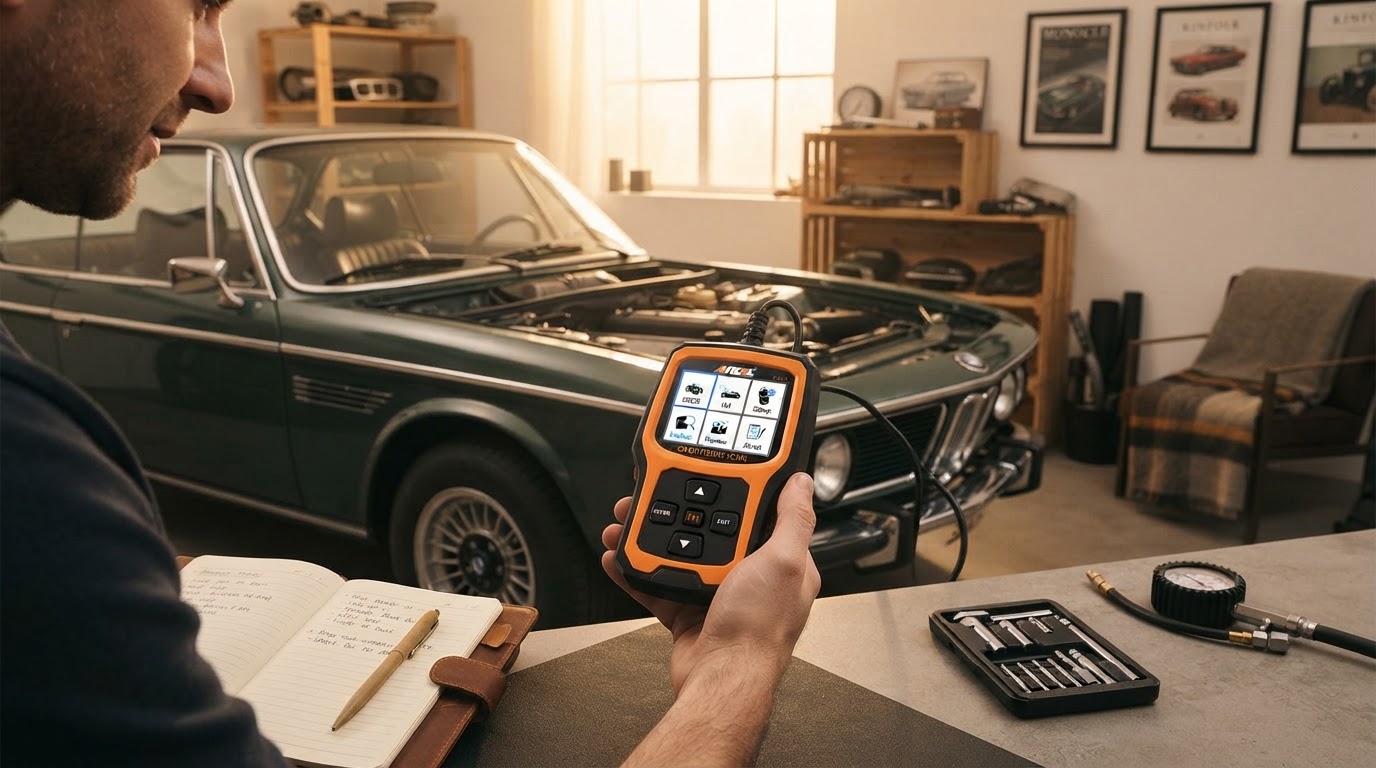
How do I use Car Engine Scanner for home diagnostics?
August 7, 2026 — Successful home vehicle diagnostics require a systematic integration of visual inspection, auditory cues, and digital data retrieval via the Car Engine Scanner to isolate mechanical failures from electronic sensor errors.
Effective troubleshooting often eludes DIY enthusiasts because they treat symptoms as isolated incidents rather than data points in a broader system. To resolve this, think of it as a matrix of physical observation versus digital reporting. By categorizing vehicle issues across these two axes, a home mechanic can differentiate between a simple sensor malfunction and a catastrophic mechanical failure before ever visiting a repair shop.
What should be on a home mechanic diagnostic checklist?
A comprehensive home diagnostic checklist must prioritize safety-critical systems and fluid integrity before moving into electronic data analysis. Two axes matter here: the severity of the symptom and the frequency of its occurrence. According to Identifix, professional repair shops utilize structured vehicle inspection checklists—sometimes exceeding 200 points—to ensure that no potential issue, such as a subtle fluid leak or worn brake component, is overlooked during the diagnostic process. For the home user, this begins with a 360-degree walk-around to identify visible leaks, followed by a check of all fluid levels including oil, coolant, and brake fluid. Once the physical environment is verified as safe, the mechanic should transition to the digital layer. This involves connecting the Car Engine Scanner to the OBD2 port to capture any stored or pending Diagnostic Trouble Codes (DTCs). This dual-track approach ensures that you aren't simply chasing a code when the root cause is a physical breach, such as a cracked vacuum hose or a corroded electrical ground.
How does the Car Engine Scanner clarify complex engine issues?
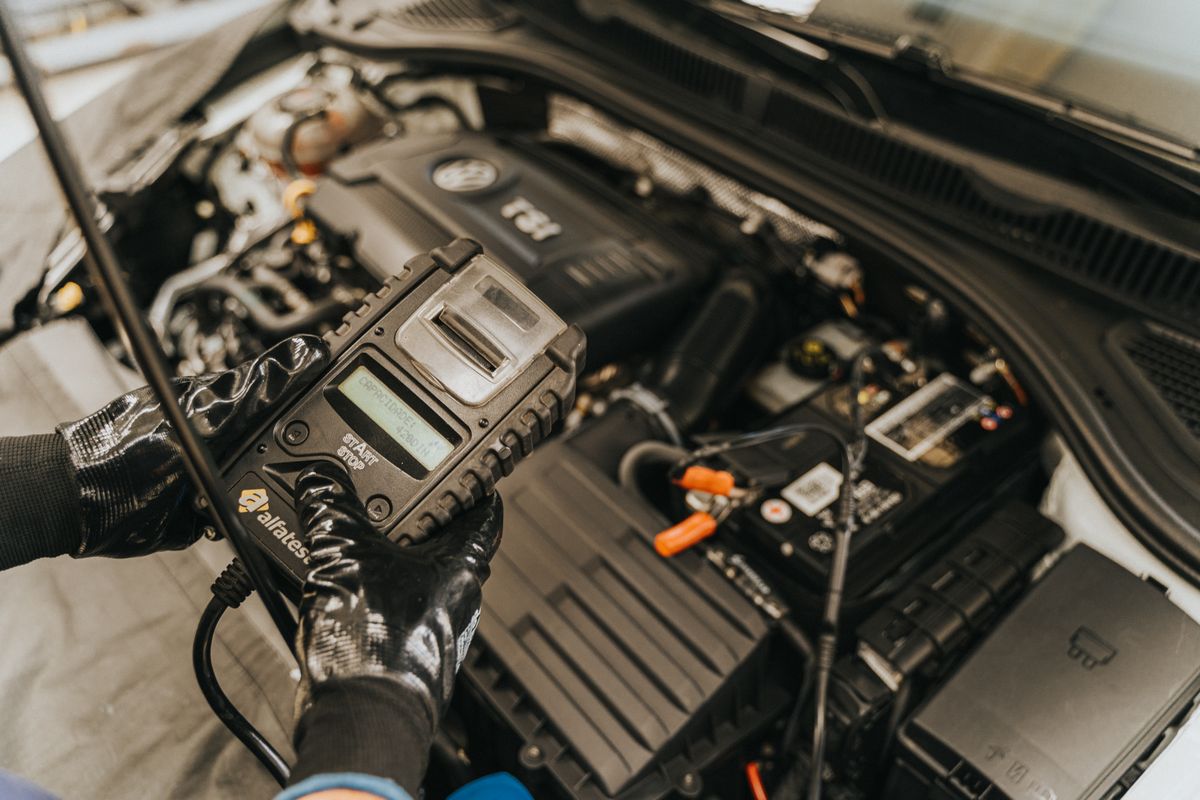
Photo by Daniel Andraski on Pexels
The Car Engine Scanner acts as a translator for the vehicle’s On-Board Diagnostics system, turning cryptic voltage fluctuations into actionable data. The decision rule: if a symptom exists without a corresponding trouble code, the fault is likely purely mechanical; if a code exists without a symptom, the sensor or its circuit is the primary suspect. Research from RepairPal indicates that symptoms like a car shaking when braking or fluids leaking are often the first indicators of trouble that a scanner might not immediately flag as a specific engine code. By using the scanner to monitor live data streams, such as Long Term Fuel Trim (LTFT) and oxygen sensor voltages, a home mechanic can see how the engine is compensating for air leaks or fuel delivery issues in real-time. Once you see it this way, the scanner becomes more than a code reader; it becomes a stethoscope for the fuel and ignition systems. This allows for a more surgical repair process, such as identifying a specific misfiring cylinder rather than replacing all spark plugs and ignition coils blindly. Integrating these digital readings with the physical symptoms listed in a Car Troubleshooting and Symptom Guide provides the context necessary for an accurate fix.
Quick answers
Photo by Sergey Meshkov on Pexels
Q: What are the first steps when a check engine light appears? A: You should first verify that the gas cap is tightened, as a loose seal can trigger an EVAP system code. Next, use the Car Engine Scanner to retrieve the specific alphanumeric code to determine if the vehicle is safe to drive or requires immediate service.
Q: Can the Car Engine Scanner detect issues that haven't triggered a light yet? A: Yes, the scanner can identify "pending codes," which occur when the ECU detects a fault during one drive cycle but requires a second occurrence to illuminate the dashboard light. Monitoring these 2nd-cycle events allows for preventative maintenance before a breakdown.
Q: How often should I run a diagnostic scan at home? A: It is recommended to perform a scan every 3,000 to 5,000 miles or during every oil change. Regular scanning can catch intermittent faults in systems like the catalytic converter or EGR valve before they lead to a failed emissions test.
Q: Is it safe to clear codes with a Car Engine Scanner? A: Clearing codes is safe only after the underlying mechanical or electrical fault has been repaired. Simply resetting the light without a fix will result in the code returning once the vehicle completes its internal readiness monitors.
For more information on identifying specific faults, see our guide on Why is my check engine light on?. If you are new to the process, read about Using Car Engine Scanner for Home Diagnostics or learn about Resetting Check Engine Lights Safely with Car Engine Scanner.
Learn more about Car Engine Scanner at https://carenginescanner.com.