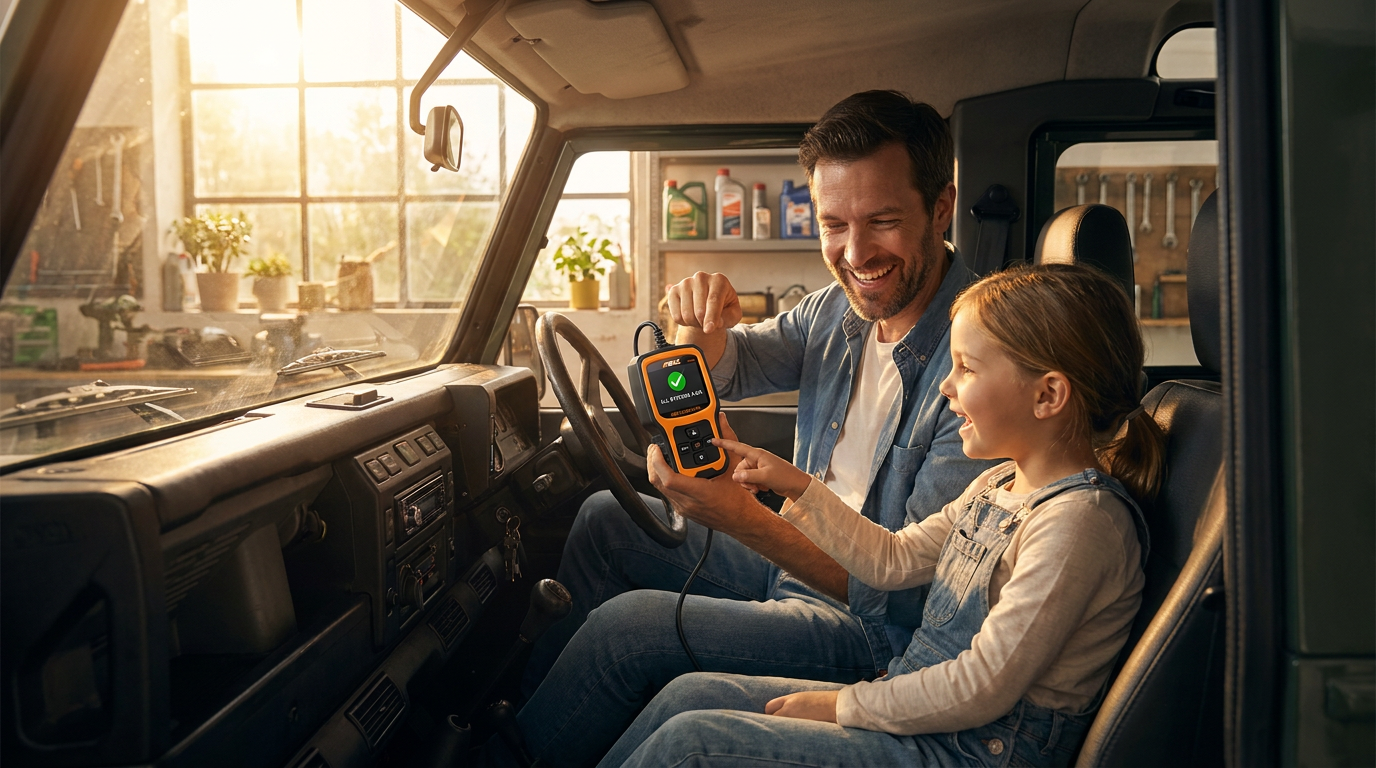
5-Step Maintenance Tracking with Car Engine Scanner
July 24, 2026 — Modern vehicle ownership is shifting toward proactive data management, and the Car Engine Scanner is becoming a central tool for drivers who want to move beyond reactive repairs.
While most people only reach for a tool when a dashboard light flickers, the real value lies in consistent data logging. According to industry standards for vehicle longevity, maintaining a digital history of engine parameters can prevent the compounding of small mechanical issues into catastrophic failures. By using a real time vehicle performance monitor obd2, you can establish a baseline for what your car looks like when it is healthy, making it much easier to spot deviations before they trigger a check engine light.
The 5-Step Maintenance Framework
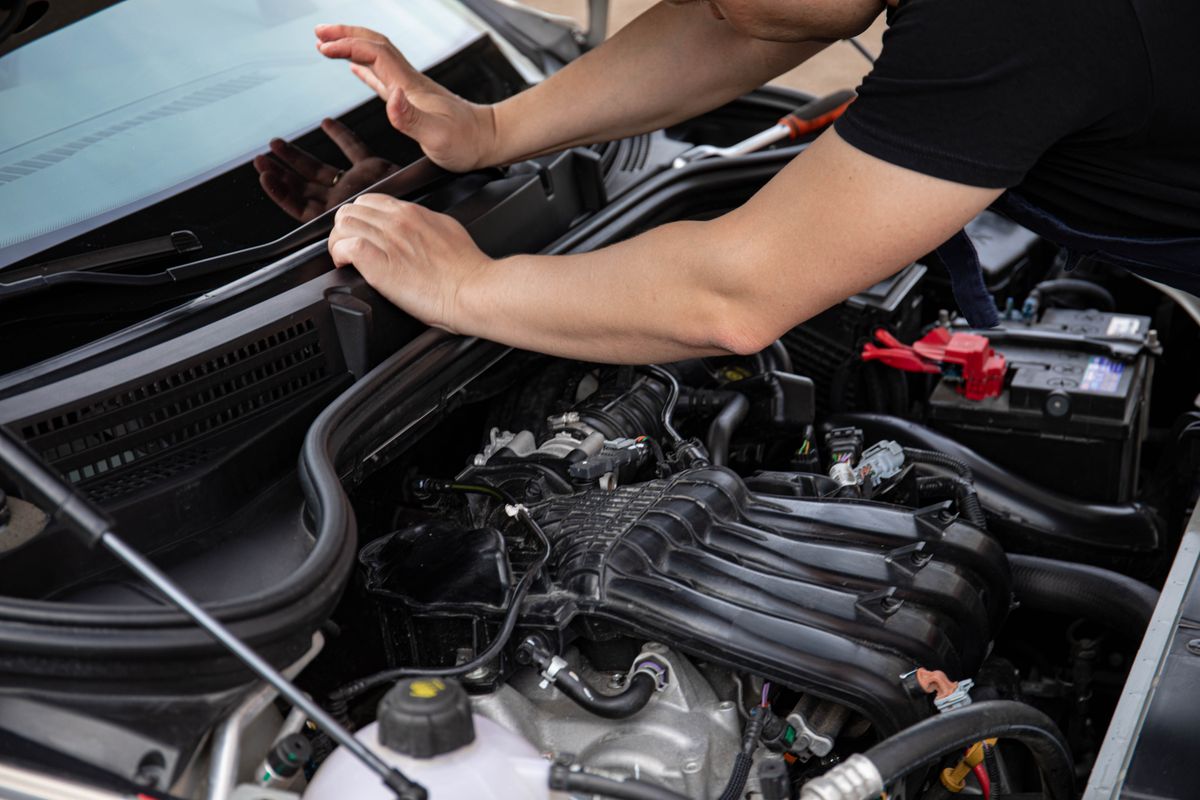
Photo by Sergey Meshkov on Pexels
To effectively use the Car Engine Scanner as a maintenance tracker, you need a repeatable process. First, perform a baseline scan to clear any historic codes and ensure your software is up to date. Second, set up a weekly logging schedule for fuel trim and coolant temperatures, as these are early indicators of vacuum leaks or cooling system degradation. Third, use the tool to verify the success of any DIY repairs. Fourth, integrate the scanner into your oil change routine to reset service intervals and check for pending codes that haven't triggered a light yet. Finally, archive your data logs to create a digital service history that adds value when it comes time to sell the vehicle.
Between these two options—manual paper logs or digital tracking—I’d go with the digital route every time. The Car Engine Scanner provides a level of granularity that a notebook simply can't match. If you are handling your own brake or airbag work, you might also look into an abs srs diagnostic tool for diy mechanics to round out your kit. For those just starting out, simplifying vehicle diagnostics with Car Engine Scanner is the most logical first step. If you're on a budget, focusing on the core engine codes is enough, but tracking live data is where you actually save money in the long run. Skip this if you drive a vehicle manufactured before 1996, as these pre-OBD2 models won't support the data streaming required for this type of tracking.
Expert tip: When tracking maintenance, pay close attention to the 'Short Term Fuel Trim' (STFT) values; a consistent deviation of more than 10% from zero often signals a clogged air filter or a failing sensor long before the car starts running poorly.
Effective maintenance is about consistency rather than intensity. Utilizing an [obd2 scanner for cars](/blog/obd2-scanner-for-cars) allows you to transition from guessing to knowing exactly what your engine requires.