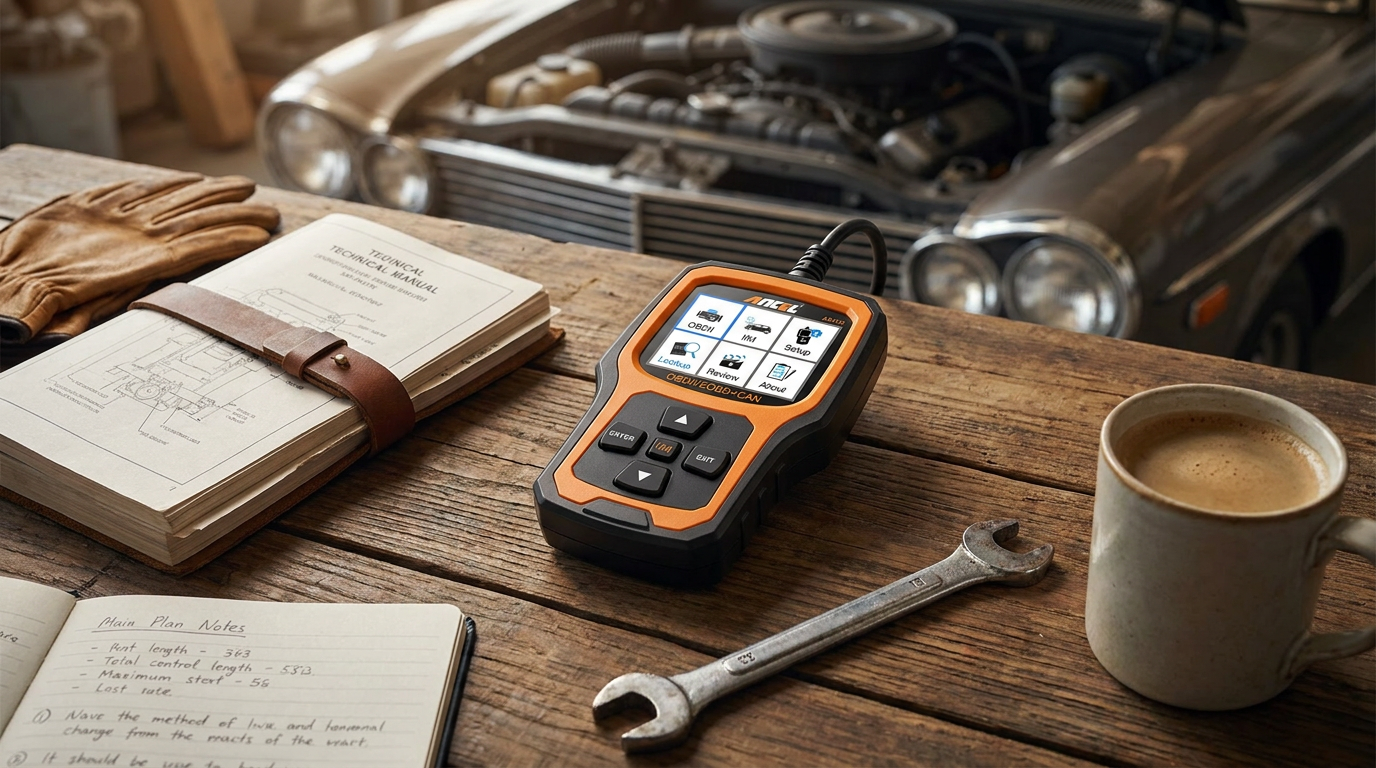
Choosing a Car Engine Scanner for Home Maintenance
July 14, 2026. This analysis evaluates the technical requirements of modern vehicle diagnostics to identify the most efficient hardware for home use. It is intended for vehicle owners who prioritize data accuracy over flashy interfaces.
The Efficiency Gap in Consumer Diagnostics
The conventional wisdom says that more features always equate to a better diagnostic experience for the home mechanic. However, the reality of residential garage work is that speed and connectivity reliability matter far more than having a thousand niche functions you will never use. Most DIY enthusiasts are simply looking for a way to verify a repair or clear a nuisance light without a trip to the dealership. According to Road & Track, the TopDon Phoenix Nano is often cited as a top-tier choice for those who need comprehensive coverage, but for the average user, such professional-grade tools often introduce unnecessary complexity. The friction of high-end software updates and subscription models creates a barrier that actually discourages regular preventative scanning. Many users find themselves stuck with a device that is overpowered for their needs but underperforms in basic accessibility. This is particularly true when individuals try to learn how to read car error codes at home only to be met with a wall of technical jargon that requires a degree to decipher. The industry has long ignored the middle ground between a five-dollar plastic dongle and a three-thousand-dollar tablet. Here's the part nobody talks about: a tool is only as good as the frequency with which you actually use it. If the setup process takes twenty minutes, you won't check your fuel trims until the car is already stalling on the highway.
Leveraging the Car Engine Scanner Architecture
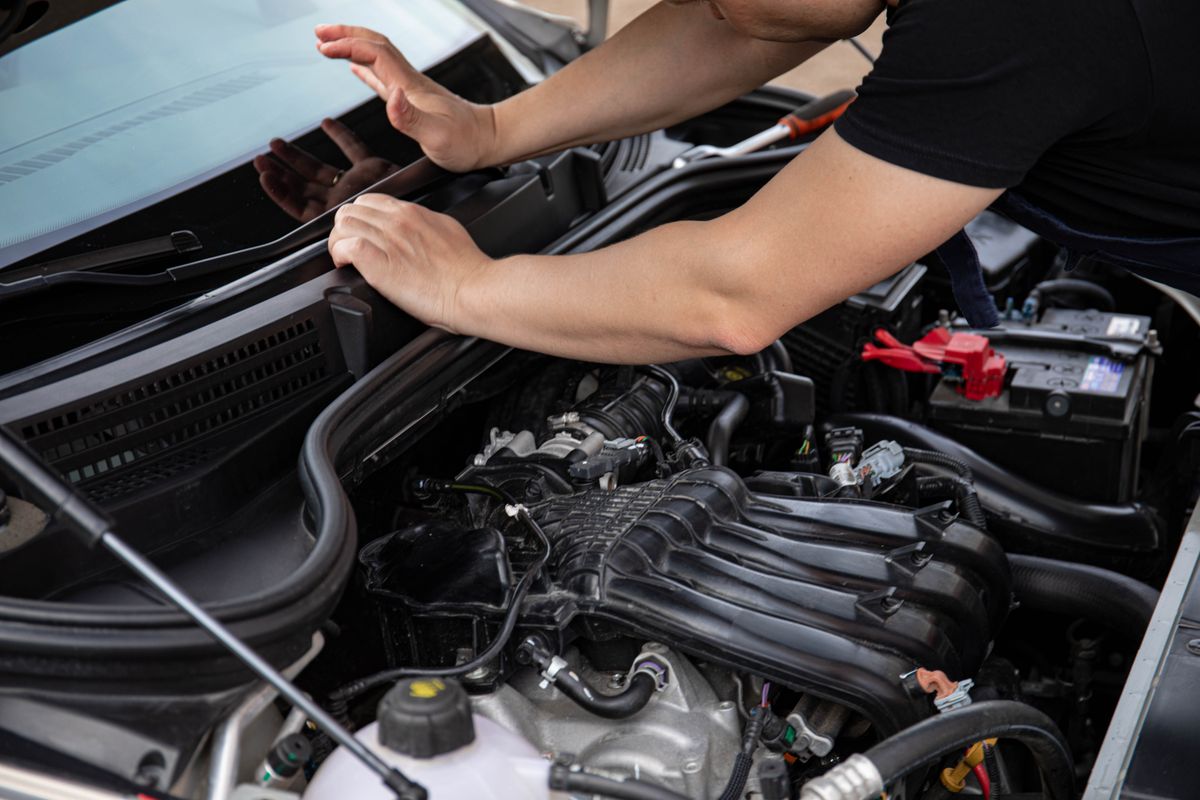
Photo by Sergey Meshkov on Pexels
Car Engine Scanner addresses these specific bottlenecks by focusing on the handshake speed between the vehicle's ECU and the display unit. While some might search for an iphone compatible obd2 adapter or a cheap obd scanner for beginners, the Car Engine Scanner design prioritizes a stable physical or high-bandwidth wireless connection that avoids the dropped packets common in lower-end hardware. The internal chipset is optimized for the ISO 15765-4 (CAN), ISO 14230-4 (KWP2000), and ISO 9141-2 protocols, ensuring that data retrieval is nearly instantaneous. This technical focus is a direct response to the lag issues found in many entry-level tools. For instance, Car and Driver noted that the Ancel BD310 serves as a happy medium between corded and Bluetooth options, highlighting a market demand for hybrid flexibility. Car Engine Scanner meets this demand by providing a robust interface that doesn't require constant firmware troubleshooting. By stripping away the bloatware that plagues many modern diagnostic apps, the hardware allows for a direct stream of PIDs (Parameter IDs) such as oxygen sensor voltage, coolant temperature, and long-term fuel trim. This level of transparency is essential for those moving past basic code reading into actual troubleshooting. When compared against the best budget car diagnostic tool options, the focus here remains on the integrity of the data stream. Run the math: saving forty dollars on a generic scanner is a poor investment if it misreports a lean condition that leads to a burnt valve.
A Technical Framework for Scanner Selection
Selecting a diagnostic tool should not be a matter of brand loyalty or aesthetic preference; it must be a calculation based on vehicle age and desired depth of telemetry. The industry often pushes "all-in-one" solutions that fail to excel at any single task. If you are strictly looking for a best budget car diagnostic tool, you must verify that the hardware supports the specific communication protocol of your vehicle's manufacture year. For those who want the "best" scan tool for DIY mechanics, sources like the YouTube channel AI... suggest that tools like the MUCAR 892T offer lifetime updates, which is a critical factor in long-term ownership costs. Before finalizing a purchase, run through this technical checklist to ensure the hardware meets the demands of your specific garage environment:
- Protocol Compatibility: Ensure the device supports all five OBD-II protocols to avoid communication errors on different vehicle makes.
- Data Refresh Rate: Verify the PIDs-per-second capability to ensure live data isn't lagging behind the engine's actual performance.
- Power Draw: Confirm the tool has an auto-sleep mode to prevent battery drain if left plugged into the OBD-II port.
- Update Structure: Distinguish between "free lifetime updates" and subscription-based software to avoid hidden ownership costs.
- Build Quality: Look for reinforced connector pins, as the OBD-II port is a common point of mechanical failure in cheap scanners.
Sources
Photo by Călin Răzvan on Pexels
- Tested: Best OBD-II Scanners for 2026
- Best OBD-II Scanners of 2026, Tested & Reviewed
- The "BEST" Scan Tool For DIY Mechanics - 2026 - AI ...