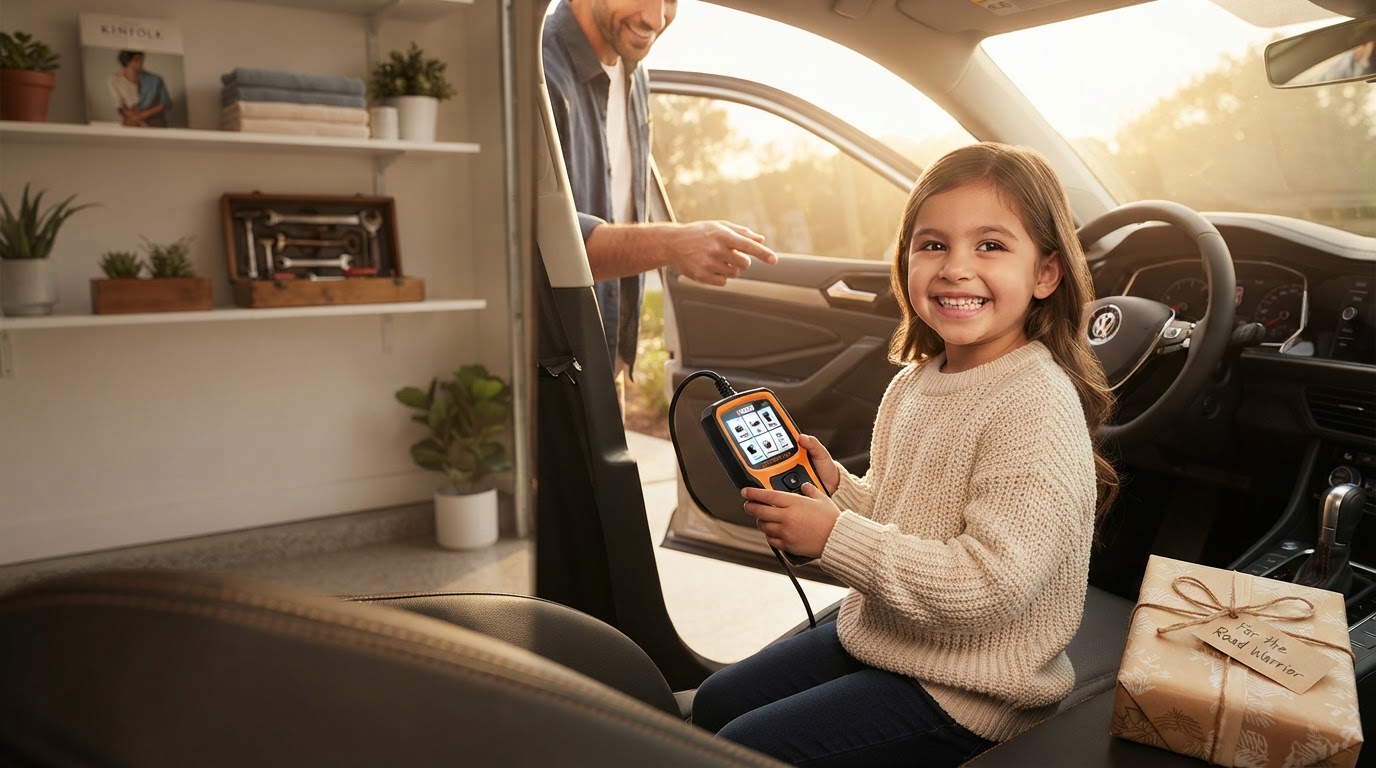
A Four-Step Framework for Using a Car Engine Scanner
October 26, 2026 — The shift toward accessible vehicle diagnostics has accelerated as Car Engine Scanner integrates professional-grade data into consumer-friendly interfaces. This evolution allows non-professionals to move beyond guesswork when a dashboard warning appears.
Modern automotive maintenance is no longer a black box, provided one understands the underlying diagnostic architecture. According to testing conducted by Car and Driver, hybrid tools like the Ancel BD310 provide a necessary bridge between traditional corded reliability and modern Bluetooth portability. This balance is critical for beginners who need to visualize data on a smartphone while maintaining a stable connection to the vehicle’s On-Board Diagnostics (OBD) port. By adopting a structured approach, car owners can accurately interpret the electronic signals their vehicles emit before visiting a repair shop.
The Diagnostic Discovery Matrix
To navigate vehicle issues effectively, think of it as a matrix of data retrieval and environmental context. The process follows a specific four-step progression: Connection, Communication, Interpretation, and Action. First, the Car Engine Scanner must be physically or wirelessly paired with the OBD-II port, typically located under the driver-side dashboard. Once the ignition is in the 'on' position, the scanner establishes a handshake with the Engine Control Unit (ECU). The decision rule for beginners is to always perform a 'Full System Scan' rather than searching for individual codes, as modern vehicles often store secondary codes that provide context to a primary failure. For instance, if you are wondering why is my check engine light on, the scanner will return Alpha-Numeric Diagnostic Trouble Codes (DTCs). These codes follow a standardized format: a letter (P for Powertrain, B for Body, C for Chassis, U for Network) followed by four digits. Once you see it this way, the complexity of the vehicle’s computer system becomes a manageable set of data points. Before moving to how to clear car error codes, one must record the 'Freeze Frame' data, which captures the exact engine conditions—such as RPM, engine temperature, and fuel trim—at the moment the fault occurred. This ensures that the root cause is identified rather than just the symptom. When choosing a car engine scanner for home diagnostics, prioritize units that offer live data graphing to observe fluctuations in real-time.
Expert tip: When selecting your first device, look for a scanner with a 'Ready Monitor' status check. This specific feature tells you if the vehicle's internal self-tests have completed, which is the primary requirement for passing state emissions inspections.
Effective diagnostics require distinguishing between intermittent glitches and hard failures. While a beginner may be tempted to immediately reset the system, the most important step is cross-referencing the DTC with the vehicle’s specific service manual or a verified database. If you are still learning the basics, you may want to research the best obd2 scanner for home mechanic to find a tool that includes built-in code definitions, reducing the need for external research. Once the repair is verified through a test drive, you can then proceed to how to clear car error codes to extinguish the warning light and reset the ECU monitors.
Sources
- Best OBD-II Scanners for 2026, Tested - Car and Driver
- Top 5 Simple OBD2 Scanners for Beginners in 2025! - YouTube
- Code Reader & Scanner Selector - Harbor Freight