Why Is My Check Engine Light On? Car Engine Scanner FAQ
October 28, 2026 — The Malfunction Indicator Light (MIL) typically signals a failure in the vehicle's emissions, ignition, or fuel systems that requires immediate diagnostic verification.
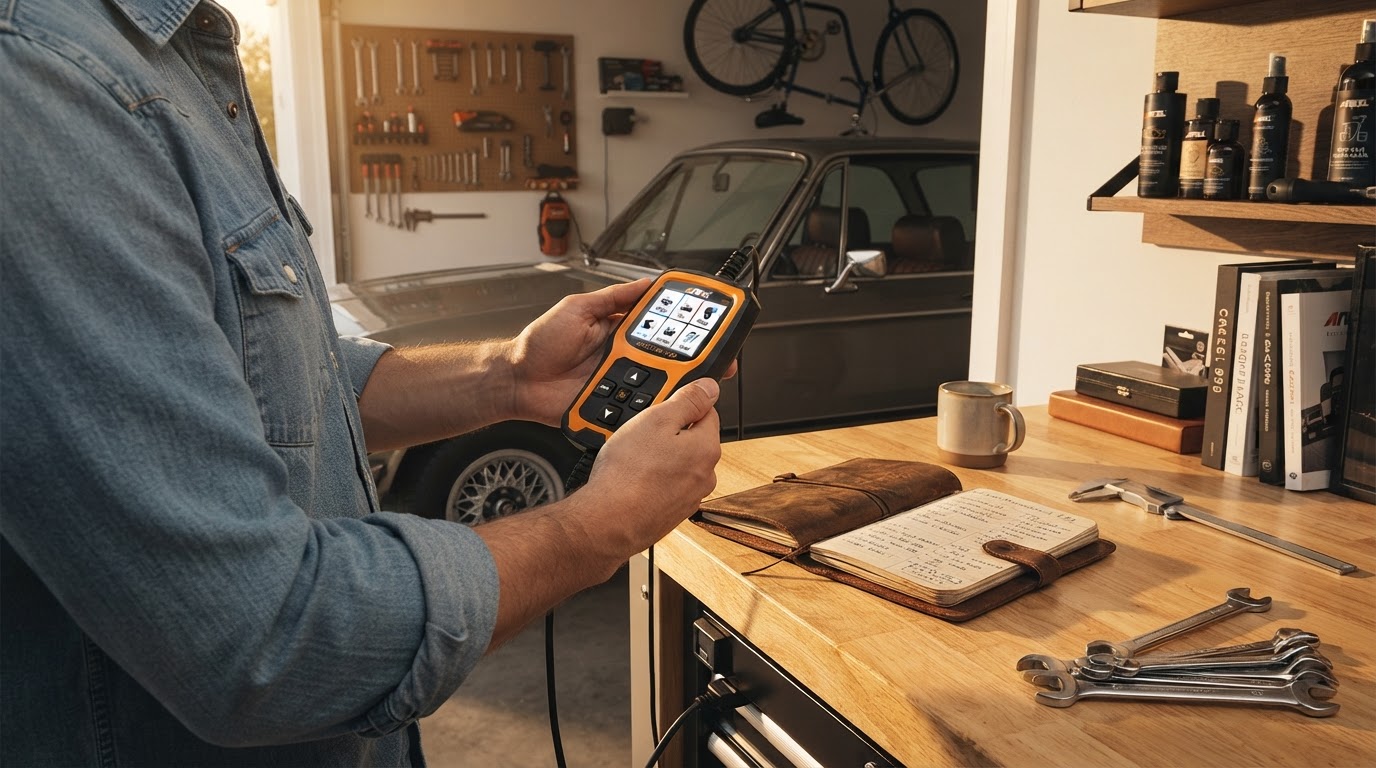
Modern drivers often treat the dashboard warning as a suggestion rather than a data point, leading to avoidable repair costs. Identifying the underlying cause through a Car Engine Scanner is the only way to move beyond guesswork and address the specific sensor failure or mechanical imbalance detected by the On-Board Diagnostics system.
Does a steady check engine light always indicate a minor issue?
The conventional wisdom says a solid light is non-urgent, but this ignores the reality of cumulative engine damage. While a flashing light indicates an immediate engine misfire that can destroy a catalytic converter in minutes, a solid light often masks a failing oxygen sensor or a malfunctioning mass airflow sensor. According to McGrath Auto, these components are critical for maintaining the correct air-fuel ratio. I'll change my mind when manufacturers provide real-time telemetry to drivers; until then, assuming a solid light is "safe" is a gamble. Data from Melton Sales indicates that a steady light signifies the vehicle has detected a problem that should be diagnosed immediately to prevent the system from entering a "limp mode" where performance is severely restricted.
Can a loose gas cap really trigger a Car Engine Scanner alert?
A loose or damaged gas cap is the primary cause of evaporative emission (EVAP) system leaks, which account for a significant percentage of MIL activations. Here's the part nobody talks about: the system is so sensitive that it can detect pressure losses equivalent to a hole smaller than a pinhead. iDrive Certified notes that when the cap seal is worn, the system triggers specific diagnostic trouble codes such as P0440 or P0455. Run the math: replacing a $20 gas cap is a negligible expense compared to the $1,500+ cost of a catalytic converter replacement, yet drivers frequently ignore the light until the latter fails. Using a Car Engine Scanner allows a user to verify if the leak is localized to the fuel filler neck before authorizing expensive shop labor.
Quick answers
Q: What is the most common reason for a check engine light appearing? A: The leading culprit is a loose or faulty gas cap, which prevents the EVAP system from sealing correctly. According to iDrive Certified, this often triggers specific codes like P0440, signaling a leak in the fuel vapor recovery system.
Q: Is it safe to drive with a flashing check engine light? A: No, a flashing light indicates a severe engine misfire that can lead to permanent catalytic converter failure. Jim Hudson Automotive identifies ignition coil wear and fuel injector issues as primary drivers for these high-severity alerts.
Q: How do I know if my oxygen sensor is the problem? A: You must use a Car Engine Scanner to pull the specific fault code, as a failing oxygen sensor provides the same dashboard warning as a faulty thermostat. External data from McGrath Auto confirms that mass airflow sensor problems and oxygen sensor failures are among the top five most frequent triggers.
Q: Can weather changes cause the light to turn on? A: Extreme temperature shifts can affect sensor readings or battery voltage, but the light specifically indicates that a component like the thermostat or an O2 sensor has moved outside of its programmed operating parameters. Jim Hudson Automotive lists thermostat failure as a distinct mechanical cause for the MIL.
To effectively manage these warnings, users should consult a Car Engine Scanner for home diagnostics to identify the specific fault. Once a repair is completed, it is necessary to understand how to clear car error codes to reset the system. For those new to the process, following a four-step framework for using a car engine scanner ensures the data is interpreted correctly.
Learn more about Car Engine Scanner at https://carenginescanner.com.
Sources
- Top 5 reasons Your Check Engine Light is On
- What Does Check Engine Light Mean: 12 Causes & Fixes
- Why Is My Check Engine Light On?